Categories
Blog

START HERE: On the Wild West of freelancing, creator journalism—and choosing yourself

Hiya, happy new month!

Thought it was time for a (re)introduction so I’ve written this post – the story behind the Shift and what I’m building online.

On the Wild West of freelancing, my 25+ year career, the rise of creator journalism—and choosing yourself.

Just reading Henry Zeffman’s post on why Labour MPs are still craving a compelling story from Starmer. Feeling frustrated that he’s not found a way to land his message.

Remarkably for a politician who’s been a party leader for a long time he’s still not defined for a lot of the public.

People also ask on Google: What does Keir Starmer actually believe in? Has Keir Starmer written any books?

A personal newsletter would help and be a home for all his writing.


I had an email the other day from a charity asking if I’d like to be a guest writer on their new Substack. “Sadly, we don’t have the funds to pay for submissions—but writers can promote their other work or organisations.”

Perhaps writing about the ups and downs of being a freelance journalist and promoting your own Substack (why you decided to launch it, how it’s going etc). What do you think?

Nice to be asked, and I’m keen to work with them—I like what they’re doing for media issues, but at the same time, my heart sank. Someone else asking me to work for free. I’m already doing quite a bit of pro bono work. If I printed out similar requests I’ve had over the last 25+ yrs, I could start my own stationery line. Make a paper Christmas tree or three!

Median pay for freelance journos in the UK is piss poor: just £17.5K/yr—less than the minimum wage—for a typical 35-hr work week (ALCS/NUJ). Payment rates have been stagnant for YEARS. There are no pay rises or promotions. “As freelancers we just get paid the same rate. I think most freelancers are afraid to ask for more in case they aren’t commissioned anymore.” Plus: kills fees, payment on publication, implicit contracts etc, which are hard to challenge solo.

The next day, I read Christina Patterson’s post on the slow death of journalism – and the fast death of my career, which struck a chord with me. “Asking us to write for free is like asking an electrician to rewire your house in exchange for a smile.” I restacked it on Notes and mentioned the email.

I think it’s a huge cheek for anyone to ask anyone who isn’t a friend to do anything for free. I am trying to learn to say no, unless I’m pretty sure there’s something in it that will make it worth my while. We can spend our entire lives doing unpaid work and meanwhile the bills have to be paid.

My first unpaid gig was on X-Campus, my uni mag, to get some clippings—arts & culture stuff, which I loved (clue #1). After graduating, I moved back home for a bit to figure out my next move—wasn’t sure whether I wanted to do broadcast or print journalism. I joined the startup Radio Mansfield as ‘community news editor’ and got some radio skills while the MD applied for a permanent licence. By night, I was waitressing at Center Parcs to make ends meet.

That year, I wrote to 100 production companies looking for work as a runner and eventually got offered a gig on Art Attack! at the Maidstone Studios. £80/wk (my bedsit was £40/wk), so a low-key lifestyle, but I was learning the ropes and meeting people. It led to other work—a kids’ show called WOW! (met the Spice Girls, just coming up), Endurance, Masterchef (didn’t see anything dodgy). Then I got offered a FT role at Wizja TV, a new Polish station, as a programming assistant at £13K/yr.

Got my head down, but I was bored to tears working in Acquisitions. Lots of admin, chasing and nothing creative—but it gave me stability and a routine, while I was studying journalism on the side. I kept writing and saving so I could quit and go travelling—figured I’d Wwoof my way round the world, live/work on farms and look for media opps in the cities.

I worked at Foxtel in Sydney for a few months (more programming!) and got some freelance work in Perth with Travel Maps Australia, a budget travel mag. A road trip to the Pinnacles and some market research, interviewing backpackers in hostels. My first foray into magazine journalism and travel writing for niche communities and it sparked something in me (clue #2).

When I got back to the UK, I applied for a scholarship in magazine journalism with Emap in Peterborough and got it! (the work/travel adventure paid off). I was so excited, I didn’t care it was only £12K/yr—I’d manage somehow. Six months with Country Walking, so I’d be learning on the job, and it might lead to something permanent.

This was 2000/1 so digital revolution pre-social media and most of the mags were launching websites. CW were fully staffed and didn’t really need me, so I went to work on the website launch with the ex-editor who’d moved over to digital. I liked the tiny team start-up vibe. She was open to ideas, didn’t micro-manage and let me get on with it (clue #3 – I’m not good with authority).

There was no job on CW at the end of it, but I could move to another title at Emap Active. I was a bit restless though and really wanted to work on women’s mags or The Face so that meant moving to London – Media City, where everything was happening. Mad really – Peterborough is no distance and much cheaper to live, but I wanted to be IN IT meeting people. They weren’t thrilled I was buggering off but helped me get some work on Here’s Health.

A shoutout to my friend Natasha from Wizja TV for letting me stay in her box room in Waterloo while I found my feet and did work experience. It gave me the confidence to take the leap, and I couldn’t have done it otherwise.

I spent the next five years in London working myself into dust—freelance journalism, copywriting, comms/PR, ghostwriting. I found the women’s mags competitive and a bit snooty, but liked the culture & health stuff so did more of that. Spent 18 months at a corporate fraud agency doing pre-employment checks, creating resources, and rifling through bin bags! Still journalism but better paid and more stable—I even had a pension. Not sure why I left… well, that’s another story.

A mate was trying to launch a sex mag for women and asked me to write a piece on orgasms. I had amenorrhoea and was struggling with vaginismus, which was getting me down. So, an opportunity to go deeper and figure out what was going on. I guess my niche found me. Writing about it all was my way of healing myself.

I joined the NUJ, Women Writers’ Network and Women in Journalism and started helping out. Ran events in nice hotels for WIJ freelancers to bring women together—I needed that. Freelancing is lonely so it’s crucial to have a support network (clue #4). I’m still working with the NUJ and am grateful for their financial support during Covid when I fell through the cracks.

I left London in 2006 when I pregnant with Julieta. This was peak mamasphere, as blogging was evolving and social media taking off. Women started the creator movement – Heather Armstrong, Dooce. Catherine Connors, Her Bad Mother. Motherhood warts n all. They paved the way and talked about taboo topics – yet were vilified for it by the media.

I started my own sex & culture blog, Rude and threw myself into that. Got lots of energy back from it, but struggled to monetise it on WordPress. I wasn’t running paid subs or paywalling—just Google Adsense and sponsorships, which were sporadic. I had sex toys coming out of my ears, but I didn’t have a sustainable business model to keep paying writers.

I had a knowledge gap and a lack of biz skills (not part of J-school, uni or talked about on the job) so I was learning from my peers. When I did start paywalling much later, I got backlash from a male writer who said, “I think you’re making a big mistake.”

The blogging paid off in other ways though and helped me land publishing deals. I wrote more letters to agents (I swear by the LOI – it works!), found one and got commissioned to write a book on orgasms for Hamlyn. This was Belle de Jour, ScarletAmora MuseumShades of Grey era so something in the air…

They commissioned me to write two more. All the book deals were flat fee contracts minus the agent’s 15% so pretty modest. I got a wee advance but carried on working while I wrote them. They did a bit of publicity, but I was expected to do most of the work—research, writing, marketing, socials, events, organising book signings.

I wrote a few more books for different publishers including Vibe, a Norwegian outfit who then went bust so my Kama Sutra guide never got published, and I didn’t see a penny. My debt collector couldn’t do much as the contract was outside the UK (will never do that again).

Median earnings for UK authors was £7K/yr in 2022 (ALCS), so it’s part of your portfolio career—if you’re a non-famous, non-fiction writer, anyway. I get a small amount of royalties for secondary uses from ALCS and PLR every year so worth signing up with them.

By my late 30s/40s, I was feeling burned out with creating content online and a bit trapped in my niche, as I was writing under my name. I didn’t want to be a sex & relationship therapist like Sarah Berry or a presenter like Tracey Cox. I thought about becoming a dominatrix (great money!) and writing a book about that, but I’d need to be in London—couldn’t turn my flat into a dungeon and I didn’t want to work locally.

I’d outgrown it, but I wasn’t sure what I wanted to do next. I remember a journo from The Telegraph calling me for a quote and saying, “what’s left to say about sex in your 40s?” She needed a new angle lol. So did I.

I found it hard to let go though—Rude was my second baby. I’d put my heart and soul into it, built a digital mag I was proud of, and paid writers. Giving up felt like failure so I kept going, juggling love and money work. What I needed was a mentor/coach to talk to – to get a plan together so I could pivot slowly and expand into new things.

In the end, my body made the decision for me. I got ill and was diagnosed with RA aka Wayne the Pain so had to stop everything. I’ve never known pain like it—childbirth doesn’t compare. Horrible condition. Fat fingers so I couldn’t write properly, and it made me feel so tired.

These things don’t happen overnight so it’s long-term stress: precarious work, doing too much, money worries (I had 20K debt in London and eventually did an IVA to consolidate). I was solo parenting and miles away from my family so all a bit much. Body says NO. I’m not doing this anymore.

I’m grateful for the opportunities I’ve had—graft, timing and luck—but journalism and publishing has never felt secure as a career, or like I had someone invested in me long-term. I’ve done all this good work but I don’t have a lot to show for it materially ie a home to pass on to Julieta.

I’ve had three agents—the first one left and I didn’t gel with her replacement (I wasn’t high-brow or famous enough). Then they restructured and let a few of us go (including me) so she left to do her own thing. I got an email thanks & bye but no advice on what to do now or offer to connect me with the other writers. I found them on my own.

So here we are. 2025. A bit older and greyer, still plugging away, having another go (the tech is better!). Writing the Shift, enjoying the Substack Motel.

Choosing myself and reinventing myself, which is the lesson I’ve learned from all of this. Choose life and building your career around that not the other way around.

Exploring and helping to shape the new media revolution. Creator journalism is the most exciting area of journalism imo. Intimate and collaborative. People are paying for news! I’m here for it.

An opportunity to tell untold stories and go deeper into a niche that the mainstream media can’t cover. And so many great women in this space Taylor Lorenz Kat Tenbarge Daysia Tolentino Kristin Merrilees kate lindsay Emily Sundberg Lex Roman Kaya Yurieff, Jasmine Enberg Rachel Karten Lia Haberman Kerry Flynn Alexa Phillips.

Substack isn’t perfect (what platform is?). I don’t love the closed API/walled garden—the future of the web is decentralised. I don’t want to be too dependent on a platform – use them for discoverability. But I like their mission to be a home for culture and they have changed the culture around paying for writing online. I’ve also met some brilliant people here.

The good thing is we have options now. The creator space is growing and platforms have to stay competitive. I see Beehiiv has a big reveal coming up in Nov that “will completely change how creators and publishers build online”.

Creative freedom is important—my main driver. But this time, it has to be sustainable and a proper living. More collaborative, less lone wolf – the route to burnout. The cult of founder (whose bright idea was it to name ad agencies after people?) puts all the pressure on the individual to succeed. We’re not content machines and we can’t be productive all the time. I need to work in seasons, with my energy and human design.

Build something bigger than myself and bridge the online and offline worlds, which takes time – you have to commit to it and be consistent. In time, I’ll host affordable writing retreats – the House of Letters – because the magic happens in person. And life is better with the sun on your face, a bowl of olives and a Negroni in hand.

Julieta has just started at U of York so new beginnings for both of us. I miss her little face and it’s quiet in the flat, but I don’t miss the unpaid, undervalued, and invisible labour.

It’s ME SEASON—a great feeling.

Not sure where I want to base myself next so I need to do some mini trips while I figure it out. A week in Bristol. A smart village in Italy. I was talking to Amy Fallon about that earlier—a reminder to renew my YHA membership. If they’re well run and have private rooms, I can hack it!

Feels good to bang this out. I can see the patterns and clues about how I like to live and work. The stories I’ve been telling myself for last 25+ yrs (‘there’s no money in writing or being creative’…‘journalism is a middle-class industry’…’I’m not a numbers person’). And what I’ll be telling myself for the next chapter—my unretirement and a happy, healthy 100-year life, I hope.

Christina just replied to my comment about sending something I’ve already written. “If at all. I sometimes ask people if they would ask a plumber to mend their boiler for free. What’s the difference?”

I know. I’d like to be involved though, think it’ll lead on to other things. I’m a giver and believer in karma—do it for the beauty of it. Life is so transactional, and I don’t want to live like that.

My mate Marianne Lehnis: “Send him something you’ve already written. Doesn’t cost you anything and you get the exposure/free visibility. Just look through your newsletters.”

A reminder to sort my archive out!

Or I could just send him this.


What I’m working on

  • Nov 11: Digital Creators Association panel on the creator economy and AI and the issue of creator mental health – key learnings/opps
  • Nov 30: ChatGPT’s 3rd birthday – AI & creator compensation latest: Australia’s move to protect creators. Equity campaign to help strengthen copyright law. We need to opt in, not opt out!
  • Jan 15: Findings from the Late Payments consultation – see the NUJ’s #StopTheFreelanceRipOff campaign
  • Feb 26-27New Media Summit. Good to see a shift in focus from last year’s ‘Newsletter Marketing Summit’ – they’re thinking about who they want in the room. Need to see the agenda
  • April 15-18: Liveblogging the International Journalism Festival – creator journalism talks and coffee chats for my Bold Types creator profiles
  • Updating my Media Diary – key media + culture dates to help you plan content and get out and about!

Ideas and feedback welcome.

Thanks for reading!

Have you written your story? I’d love to read it.

Love Nika
Categories
Newsletter

People buy people, not brands: The human connection

Hello!

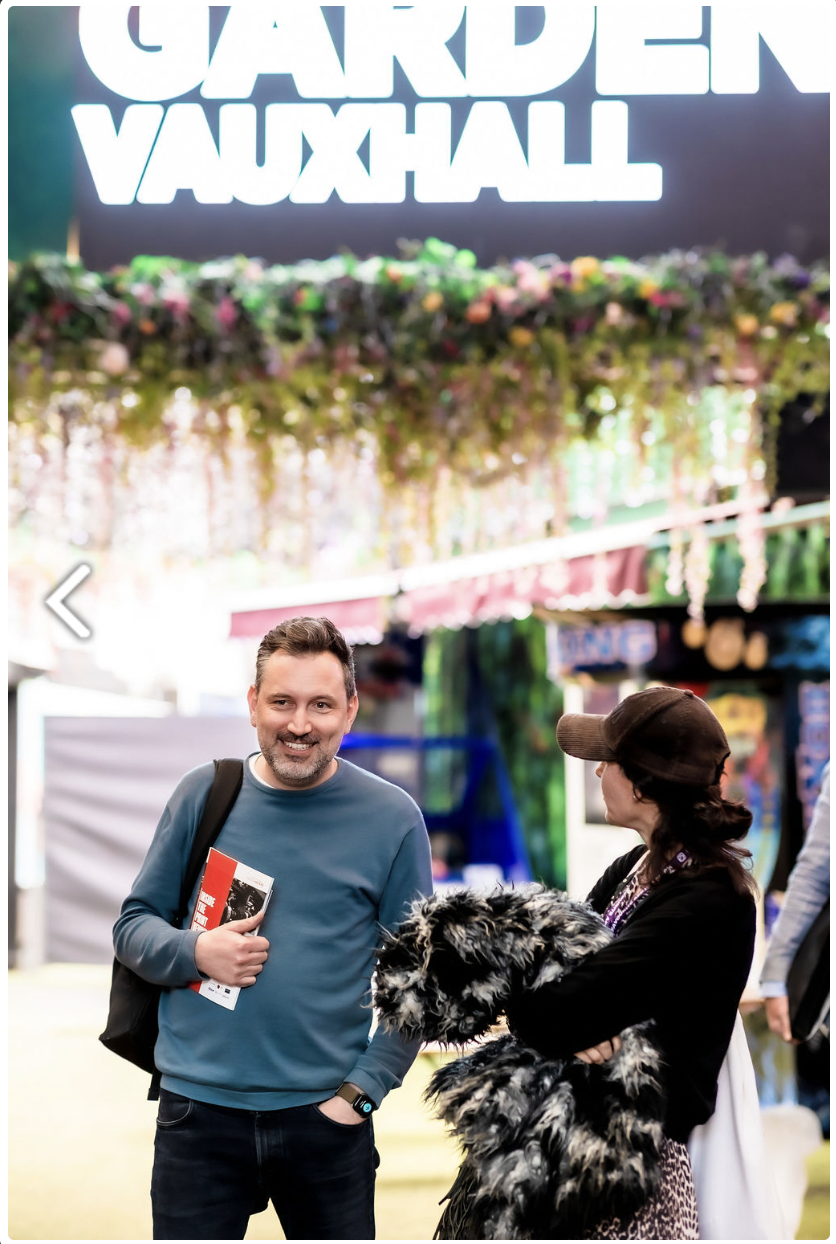
I’m back in St Leonards after two days in London. I interviewed Taha Siddiqui about his excellent new book, The Dissident Club: Chronicle of a Pakistani Journalist in Exile, and went to the Publishers Summits and Awards.

I missed the first two sessions (took the wrong tube to Vauxhall and got lost wandering around the concrete jungle). Thanks to 

Rich Headland who kindly sent me his Inbox to Income workshop slides and some notes.

I did the Newsletter track, which was packed. The Print stuff was on next door at the same time, so I needed a buddy to swap notes with.

Here are some learnings from the sessions. It was very dark in there, so I used my phone as a torch, which ran the battery down (why is there never anywhere to charge up in nightclubs?). I need to bring a power bank and spare pens – it’s very annoying when your pen runs out mid-scribble.

Personality is everything

Much talk about putting a name on a newsletter for growth and loyalty and great to see so many publishers making their staff the stars. We heard from Dominic Rech at The Economist and Andrew Palmer, author of the Bartleby column, on why they’re making their podcasts and newsletters more personal.

The FT’s Sarah Ebner talked about the value of staff-led newsletters for retention and how they use voice more. In Central Banks, Chris Giles talks about what he knows and “readers love the expert voice.” Successful newsletters are where people build a relationship with a writer. Rob Armstrong and Steven Bush are two big voices at the FT.

If you’re worried about investing in a star writer and they leave, build out more big names, not just one person. Columns allow you to have more voices. But “don’t worry about big personalities leaving. Build them up; they’ll probably stay. Or you’ll find new folks.”

Sarah also said not everyone is suited to newsletter writing: “There are some reporters who can’t get round using ‘I’ in newsletters and responding to comments.” It’s not for everyone.

Neil Macdonald at National World shared lessons from their first-ever paid limited edition newsletter series, Scottish Golf Courses You Must Play (I wonder if Trump subscribes?). “Trust your journalist and expert voice with a massive depth of knowledge.” They worked with Martin Dempster, a golf writer who is passionate about the subject. They had buy-in – he was invested and helped create and shape the newsletter’s design.

Rosie Percy said Hearst is leaning more into personality-led newsletters, which helps with conversion. Esquire’s About Time newsletter: “People will read 6,000 words on watches!”. Red Magazine’s Love Red VIP newsletter gives you access to editors, content, and events, e.g. styling suppers, which you wouldn’t get elsewhere.

Henry Seltzer at Bloomberg: “We’re seeing a lot of success with our personality-driven newsletters. We’re seeing value in smaller, more engaged newsletters.” Substack and the rise of the individual newsletter have opened people’s eyes to what’s possible.

Joshi Herrmann at Mill Media: “Substack has made us realise people will pay for low volumes of content as long as they’re differentiated (voice). This is an enormous shift in thinking (and logic of online business models). People can charge more. A very exciting change that will grow a lot.”

Rob Parsons set up Northern Agenda in 2021, bringing you stories from the north outside the Westminster bubble. The newsletter comes from him, not Northern Agenda, and he’s added personal touches because “readers engage with a person better.”

Zoe Paskett at LMAOnaise said her TOV was extremely clear from the beginning – “it’s just me”. She’s carried that TOV across a print publication and digital magazine.

The afterlife of a pop-up newsletter

Publishers are experimenting with this, but what happens after a pop-up newsletter or course ends? Katie Binns at The Times shared some tips & tools to nurture temporary subscribers into other parts of your funnel – from affiliates and subscriptions to other newsletters. She edits Money Mentor, which has run pop-ups like Couch to £5K (no issues using this name!) and Pension Power Up.

She said people stayed after it ended, so “design your pop-up with the next steps in mind. Make sure what comes next leads somewhere valuable. You’re warming people up to go deeper into your brand.”

Great to hear someone so passionate about pensions. “People love pensions; they just don’t know it!” Helpful stuff most of us have our heads in the sand about! I have one but need to up my game.

Neil Macdonald on their limited (but evergreen) golf series. For £9.99, readers get 12 newsletters across two weeks, including ten that each look at a different golf course across Scotland. ‘Quality is paramount’ and ‘Sell, sell, sell – get comfortable with the hard sell!’ Get feedback with reader surveys.

Substack for community-building

Jenna Thompson shared what Reach has learned after two years of experimentation with free and paid newsletters on Substack (they’re also testing LinkedIn). Super smart to take advantage of audience growth and revenue tools on Substack (comments, notes, chat, recommendations) and lean into curated digests around topics.

“The main driver for using Substack is to grow a community.” She mentioned The Valiant (Port FC newsletter) and how reporter Mike Baggaley has made it feel like a ‘shared endeavour’ with readers by spending time in the comments and using feedback to shape future issues.

I like how Reach is “creating a community of newsletter authors” and giving them a space to chat. Very important not to have silos and to create connections, as newsletter writing can be a lonely job.

Good writeup from Charlotte Tobitt at Press Gazette on this session.

The power of teamwork

This was also a big theme. Neil: “Trust everyone” – it’s a multi-skilled team. He also said how nice it was to talk to people (in our breakout group) ‘who get it.’ i.e. our eyes don’t glaze over talking about newsletters. Andrew said the team behind Bartleby make the reach and quality better than as a soloist.

At the awards, most of the winners dedicated their awards to teammates who weren’t there.

It’s bloody hard for solo creators doing everything. Zoe said growth “is a constant struggle. You’re always pushing. You can’t sit back and wait for growth to happen on its own.” Collabs and partnerships are the way to go if you’re solo. Substack is working on tools for this.

A bit depressing to hear Rob and Zoe haven’t had much financial success yet (Rob has Reach’s support, Zoe has no backers). Next year, it would be great to see more money and investment in the newsletter space and hear about founders taking home proper salaries.

Some other tidbits – it takes Steven half a day to write the Bartleby column. 1x hour ideation, 2x hours writing, 1x hour editing.

I chatted with The Sun’s Engagement Editor, who said they’re ‘feeling the pull of Substack, but haven’t gone there yet’. A speaker ‘hates Mailchimp but is resisting Substack because he doesn’t want to be part of the ‘enshittification of Substack.’ Lol 🤞

And a couple of quotes I loved. A reminder from Rosie that being in someone’s inbox is a privilege, and we need to respect that. “I want it to read like a letter from someone I know, not just a series of links.”

Henry on the joy of connecting face-to-face: “When I’ve gone to some Substack events, I’m shocked by how many people show up and how passionate they are. People are just really hungry for in-person newsletter events.”

Thanks to the Media Voices team and sponsors for a brilliant event and making me feel so welcome. They had a few setbacks (the original venue closed, giving them SIX WEEKS to find somewhere new 😳). Host Chris Sutcliffe broke a tooth and needed emergency dental treatment – you couldn’t tell!

Exciting to hear MV have been bought by Flashes & Flames – the global media business weekly which started out as a newsletter so watch this space. I like the scrappy energy though and that it’s not shiny corporate.

Next year, I’d love to hear from more solo creators making money and building without burnout. Some growth tips from the platforms – 

Substack Team, Beehiiv, LinkedIn, and Ghost. And we could build a creator house for collabs and cross promotions.

Great to hear the record shops of Hastings & St Leonards are on Rich’s radar for Record Shop Stories. Just sent him a new one – (bacon) Roll with the Vinyl.

Nika

🏆 See the full list of winners here.

Categories
Blog Newsletter

Bold Types #12: Philip Hofmacher on building business with heart 🇦🇹

Bold Types: conversations with creators on courage, craft, and creative living.

Today’s guest is Philip, a passion-driven entrepreneur from Vienna who helps online writers make more money through their expertise.

Philip created his first online course on Skillshare in 2015 and has been serving students since. He loves to explore digital business models and is passionate about community-building – creating cosy spaces where people stay.

Community is the future of learning. People seek connection, accountability, and support, so investing in a community now is one of the smartest long-term moves you can make.

During the lockdown, he and his fiancée and business partner, Sinem Günel, started two digital projects that have since grown into multiple six-figure businesses annually.

Their latest venture is the Write • Build • Scale Mastermind, where he, Sinem & Jari support writers through actionable resources, weekly live coaching and a private community.

We chatted about growing your list and community, his income and influences, and what ‘success’ means to him.

At 33, I’m super impressed with what he’s achieved and how he and Sinem play to their strengths. “She’s the typewriter in our relationship, and I’m the calculator.” I like this sensible approach to the ‘creator economy’, that your ‘creator business should be boring’. 💯 Save the drama for life!

Congrats to you both on your engagement! They’re getting married in 10 months.

Enjoy our chat!

Cheers, Nika 🥂

This is an excerpt from my business and creativity newsletter The Shift. For the full experience, sign up here.


The Shift is here to help you live a life well-lived. If you enjoy my work, consider supporting it by becoming a paid member—and enjoy these community perks!

Categories
Newsletter

🌟Celebrating creativity

The impossible takes just a little bit longer – Marci Segal, Creativity Crusader

Happy World Creativity and Innovation Week! I was curious about who founded this, so I looked at the backstory. Marci Segal began studying creativity in 1977 and thought, “Wouldn’t it be great if people knew how to use their natural ability to generate new ideas, make new decisions, take new actions and achieve new outcomes to make the world a better place and to make their place in the world better too?” 

So, she set off on a quest to make the world a better place for creativity and free people’s thinking to create new futures. It began in 2001, and 23 years later, it’s now a UN International Day of Observance to raise awareness of the importance of creativity and problem-solving.

“We have a day because the UN sees we need to have new kinds of thinking to face the challenges ahead of us,” – the 2030 Agenda & Sustainable Development Goals (worth thinking about how your biz is supporting these.)

Fabulous work by a fabulous woman! Listen to her story and the headline that inspired it here.

So, a request from Marci that we do something new and different today to keep the energy going. Yes, we’re always creative, but it’s nice to mark the day, April 21, and use it to set some goals for the year—this works better for me than new year resolutions as it’s spring, and I’m coming out of hibernation.

Imagine how powerful that creative energy will be if we think about it and do things simultaneously.

How does she express her creativity? “I just live. To me, creativity is just about living.”

I’ll go for a walk later – find somewhere I’ve not been before.

Giving and receiving ideas 

New ideas deserve better than to be swatted at as if they are pesky flies.

I like what she said in her TEDx Talk about strengthening and building ideas together. A reminder to give and receive ideas—yin and yang energy, i.e., make time to be as well as do.

When Julieta was small, we had an ‘Ideas Jar’ to leave notes in for things she wanted to do or fix. I’m not sure why I stopped doing this – they made me smile and a creative prompt when I’m not feeling inspired. I’ve bought a waterproof notepad and pencil for the shower so we can keep this going and leave little notes for each other – it’s a bit of fun, and I do my best brainstorming in the shower.

Animals are creatures of habit, too. My mum’s been gardening this week, and she’s got some homeless birds! Now that the big tree (their home for the past few years) has been chopped down, Mr. and Mrs. Bird don’t know what to do with themselves—flapping around the garden, trying to figure it out. I can’t wait to see where they move to next. It needs to be a penthouse apt. to stop the cats from killing all their babies—it’s just too sad!


Lions State of Creativity 2024 

Cannes Lions has released its annual State of Creativity. A biggish piece of research (3,000 global responses) designed to help marketers understand the creative landscape with advice on how to drive business growth using creativity.

People are outwardly optimistic about progress and investment, but there’s a communication breakdown. This year, senior leadership was a big barrier to creativity. People felt creativity suffered because of conservative leadership, company politics, and an aversion to risk. Most want to push the boundaries of their creative work, but ‘play-it-safe’ leaders make them feel like they can’t.

When budgets are tight, it’s easy to overlook creativity, but work without creativity is bad for business.

Our findings show that brands predicting higher growth for 2024 are 6x more likely to prioritise creativity, are 4.6x more likely to have a higher marketing spend than 2023, and put more investment into brand building. It’s consistent evidence for the business case for creativity.

Download it here.

Cannes Lions 2024

Not long now till the Cannes International Festival of Creativity | June 17-21. NEW for ’24 is Lions Creators – networking for creators and those in the creator economy on June 18-20. They’ve launched their first pass for the creator economy. Applications open on April 29; you can register your interest here.

What will marketing departments look like? More companies are working with creators these days, even hiring in-house creators for campaigns. Corporate social media handles struggle with engagement, and newsletters are more likely to be read when they come from a person rather than a company.

Writing Prompt ✍️

Wouldn’t it be nice if…?

Leave a comment or email me, and I’ll share your feedback next week. Feel free to leave your name and a link to your website so readers can check out your work.

Nika 🙂

PS I’ve changed the name of this newsletter to Life Work Shift to make it clearer. We had a title brainstorming session last night in Sarah Fay Writers at Work cohort and gave each other some feedback. A few folks said it was too broad, i.e., it works with context (writing & entrepreneurship); otherwise, it’s not obvious enough. I love this group – no impact is an island.

I’m looking for a designer to create a new banner/logo for me – recs are welcome!


Hi, I’m Nika!

I run Firebird, the content consultancy helping entrepreneurs impact the world with their stories. See my services here.

Newsletter Talent Directory! Feel free to add your deets here for collabs.

If you’re enjoying reading my newsletter, consider upgrading to paid to help me grow it and do more. Thanks to all my paying subscribers.

Categories
Newsletter

DCMS report: Creator remuneration

How are you doing?

I’ve been reading the new report on creator remuneration from the Culture Committee—a good summary of the issues and potential solutions, which the NUJ’s Freelance organisers have commented on here.

✅ A Freelance Commissioner to advocate for creative people and the self-employed, for legal protection & rights, and to address outdated copyright and IP regulations. Yep – it’s urgent.

✅ Tackling stagnant fees—some companies are paying the same rates they did 20 years ago and generally rubbish rates across the sector. I had to chuckle (and cry) at our Swedish colleagues’ cake celebrating ’20 years at the same pay rate.’ 

✅ A UK private copying scheme to remunerate creators such as the Smart Fund, which safeguards payments from abroad.

✅ AI and creators“The Government must ensure that creators have proper mechanisms to enforce their consent and receive fair compensation for use of their work by AI developers.” (You can block AI training on Substack, which “may limit your publication’s discoverability in tools and search engines that return AI-generated results.”)

Good stuff. Let’s share it about and fix it for freelancers! We have a manifesto at #FairDeal4freelances, which includes a charter of freelance rights that the self-employed should enjoy. Gov has two months to respond to the report.

Self-employed rockstars make up a significant part of the creative workforce. I read that more than one million over 50s now work for themselves despite the pandemic’s impact on self-employment [IPSE]. Folks who want to start their own biz or have had enough of the 9-5. 

Yet we lack a single voice to represent our interests in government. And support and biz training generally, which is why we have such active unions, small biz orgs and freelance communities. 

AI and creative work

This week, we had a lively meeting on AI and creative work with speakers Laurence Bouvard from Equity (actress and computer scientist) and John Sailing from the Writers’ Guild. Interesting to hear about Equity’s successful campaign #StopAIStealingtheShow. The NUJ is also developing an AI toolkit for writers; watch this space.

Laurence said part of the problem is that the gov doesn’t understand the tech/AI and that there’s a general malaise: “People just don’t care.” 

It’s not that we don’t care, but it feels futile; the horse has already bolted. AI is here to stay; the companies already have our data, and what’s depressing is they’re so hungry for new data (i.e running out) that they’re now developing ‘synthetic’ info—i.e. training AI on text generated by AI (this NYT article went viral).

They hope that bringing different AI models together will solve the data problem and that “it should be alright.”

Where will it end?

I agree with Laurence that it isn’t just about protecting jobs (AI will create new jobs—I’ve had recruiters reach out for help training AI systems for $15 an hour!) but about protecting what it means to be an artist and writer—and keeping the human at the heart of it.

And protecting our planet – can you imagine how much power these machines are using?


Things I enjoyed this week

▶️ Death of the follower & the future of creativity on the web with Jack Conte [SXSW]. Amazing keynote and storytelling. His thoughts on the arc of the internet, how it will continue to evolve, and Patreon’s place in it. A call to make beautiful things that light you up and go deeper with your ‘true fans’ rather than chasing followers/algos/other people’s agendas. Love his passion. Go Jack!

▶️ The #1 NeuroscientistAfter listening to this, your brain will not be the same [Mel Robbins]. Practical tips on how to trick your brain into manifesting your goals and desires and using manifesting as a tool for success, happiness, and better health. Dr. Tara has a knack for simplifying science and making it fun.

▶️ I’m analysing 49K Substack newsletters [Newsletter Circle]. Understand the newsletter space and other creators’ behaviours and strategies in this new report. I’m enjoying Ciler’s work and love that she’s dreaming big. Her goal is to create a full-fledged media company for newsletter creators.

▶️ Axios sees AI coming, and shifts its strategy [NYT]. “The premium for people who can tell you things you do not know will only grow in importance, and no machine will do that.” Spot on, Jim. Axios is focusing on live events, a membership program centring on its star journalists and an expansion of its high-end subscription newsletters. Can’t wait to see how this plays out.

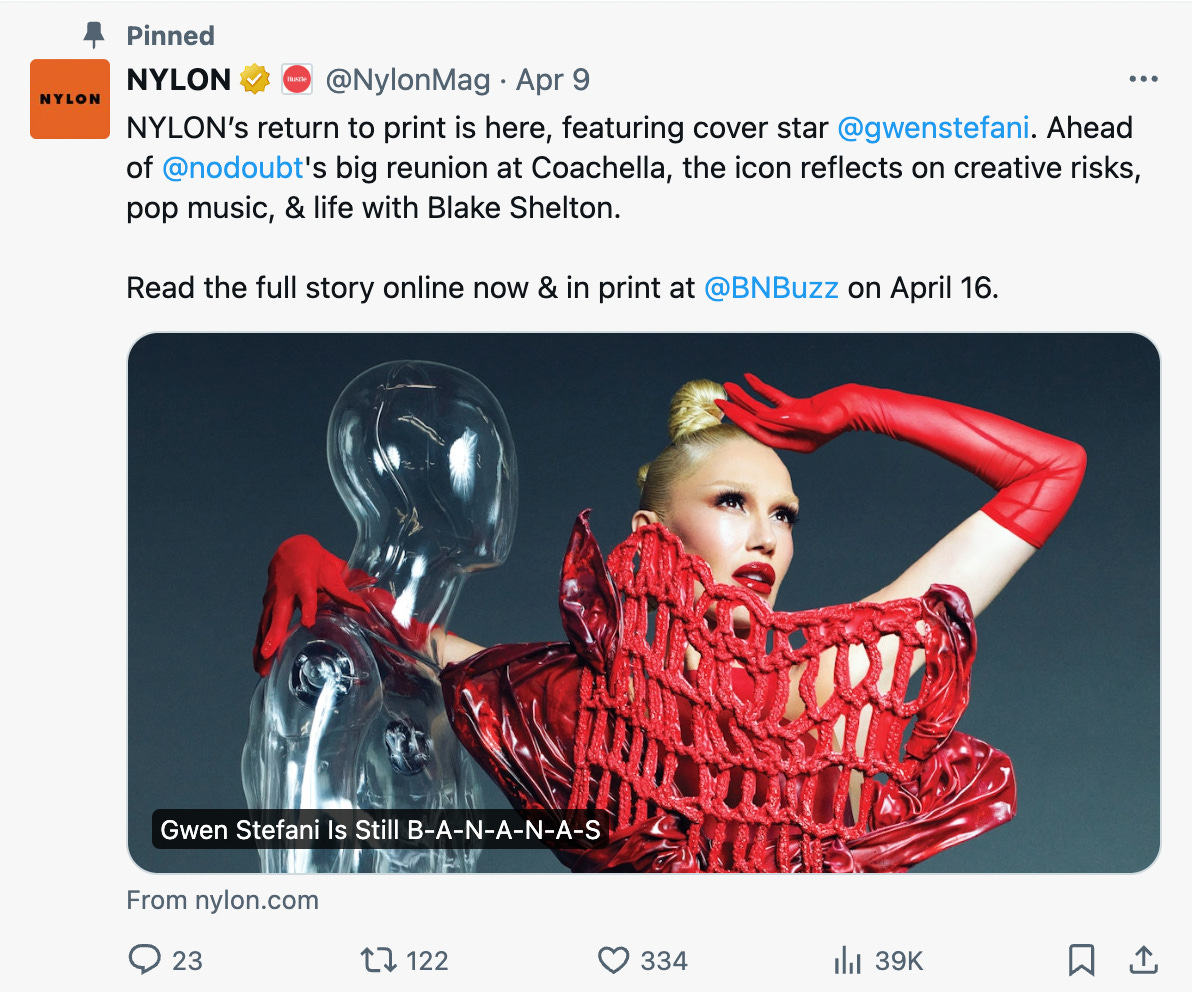
▶️ NylonMag is getting back into the print biz and relaunching its physical magazine for the first time since 2017. Back on the newsstand on April 16 with cover star Gwen Stefani to celebrate their 25th birthday.

It may be less frequent (bi-annual) and more of a coffee table magazine, but that’s not a bad thing. Quality over quantity is better for the planet. A keeper!

I’ve been enjoying reading physical magazines lately—I have to give my eyes a break. Seriously, I look up, and I can’t see! 😱 We’re not built to sit and stare at a screen all day.

Have a great week.

Nika 🙂

PS. I’m compiling a list of niche media events – newsletter conferences, creator events etc. If you have any recs, let me know.


Hi, I’m Nika! 👋

I run Firebird, the content consultancy helping entrepreneurs impact the world with their stories. Life is too short to play small.

See my services here.

If you enjoy reading this newsletter and want to get more involved in the community, consider upgrading to paid. My offering for paid peeps is here.