Categories
Newsletter

Tame your inner critic🙄

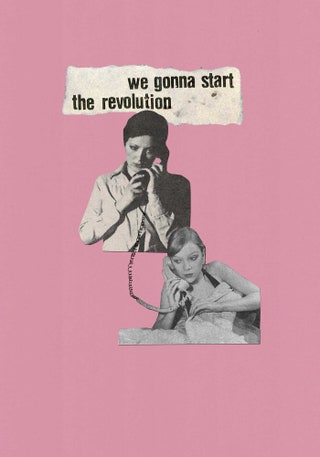
I’ve joined a Newsletter Mastermind, and ‘not feeling ready’ came up on this week’s call. “I’m on my 100th issue, and it’s the same every time – the day before it goes out, and I still don’t know what I’m going to write about. Yet somehow, every week, it gets pushed over the finishing line.” It turned into a discussion on how to be ‘inner critic ready’ led by @ReddyToGo – he’s the man.

I said I’m the same. Working on things last minute (writing this on Saturday night) or running late. I had an argument with a friend once about my lateness, and she said: “It’s because you don’t feel ready.” She was right. I was trying to do too much – hustling hard in London at that time. It’s probably the most helpful thing anyone’s said to me. 

Tame your inner critic

The inner critic mixes negative critical comments from our parents, siblings, peers, and teachers when we were growing up. It isn’t a bad thing, says writer and author Jennifer Nelson“Researchers agree that a little self-awareness can be a reality check, but a constant barrage of self trash-talk is debilitating.”

In her talk on listening to shame, Brene Brown says it relies on you buying into it – tell yourself something often enough, and you’ll eventually believe it to be true. “Shame needs three things to percolate: secrecy, silence and perception of judgement.” 

It can be an issue for portfolio professionals as we’re working on short term projects in new environments with different teams. You’re expected to hit the ground running, be an expert and produce good work quickly. But each project is different and team dynamics and nuances take a while to figure out. You’re learning as you go and you make mistakes. You also have to put yourself out there, pitching for gigs, negotiating rates and dealing with rejection.

The inner critic is a feature of the tricky brain. Unfortunately, we can’t fire them, but they can be an extra rather than centre-stage…


Some strategies to help you deal with your inner critic

(and have a better, more productive relationship with yourself)

  • Give them a name. There are two actors in constant conversation – the nurturer and the critic. Mine is called Nancy. She’s an out of work theatre critic (failed actress, really) who never has a good word to say about anyone, except Cliff Richard. She’s 6”2, wears heels, diamante and a purple wig (a bit Dame Edna). Except she always wears black. @readyforthefuneral. She’s had no work during the pandemic and is taking her frustrations out on me. My nurturers are the Caring Committee – Spock, Jarvis, Oprah, Iggy Pop, Nick Cave, Mr Miyagi, Gandalf, Sean Bean, & Ted Hastings, who rally around to big me up. Never a dull day! It helps me distance myself from the drama and be a calm witness. 
  • Be mindful. The cure is empathy, says Brene. Say to yourself, “I understand, but those thoughts aren’t true.” And replace ‘I can’t’ with ‘I might’. Notice negative thoughts when they come up and write them down. Look for moments in the day when others see the effort you’ve made. Write them down. If the conversation is getting a bit one-sided, I know I’m tired and need a break. 
  • Stop ruminating – I had some negative feedback on a piece of copy this week. It wasn’t quite right, so we had to redo it after a call with the client. A bit disappointing as it’s a new gig and I wanted to make a good impression. I felt a bit flat, thinking about what I could have done better. But I’ve only been on the job for two days and don’t have much context. I let myself replay it for a bit, then distracted myself with something else: went for a walk and watched something on Netflix. Learn and let go.
  • Set deadlines – No over-editing and over-researching, i.e. procrastinating. Anne-Laure at Ness Labs says she only edits her articles once before publishing them. The aim is to get the conversation started and tweak things based on feedback. I like that. Nothing is set in stone online. 
  • Dress smarter – it’s easier to silence your inner critic when you’re looking sharp and feeling good. We had a good discussion at TPC this week on personal branding, and this came up. Fiona’s tip: Dress for the job you want, not the one you have. She’s also big on ‘fake it till you make it.’ 
  • Finding your why – LA-based writer, activist and wellness expert Katie Horwitch says the inner critic is a filler for uncertainty about your purpose. Get clear on the common thread in all you do and what you’re offering the world. What’s your story? Workshop it. It’s easier to do this with others than on your own. Others see things in you that you don’t. 

Nancy and I had a bust-up this week. She went off on one when I told her about the project feedback. Then I mentioned my podcast idea – interviewing hip hop entrepreneurs about their lives and work, and she sighed and rolled her eyes. “You don’t have the time, energy or contacts for that. You’re not in that world! Forget it, darling!” 

“Don’t patronise me. That’s the point. I don’t want to interview people like me. We have enough echo chambers out there….I want to do something different. ” 

We’re going for tea with the committee later, so let’s see what they have to say about it.  

She’s not coming on holiday with me (not till she apologises anyway). 


5 things🖐

👩‍💻LinkedIn Marketplace (launching Sept) – a new service for freelancers. Connect with employers, showcase your services, and do deals directly via the platform (initially focusing on design, marketing and software development). Good to see Microsoft investing in developing a bigger content platform with Creator mode, Services, Open to Work, trending stories. A bit of competition for Fiverr and Upwork.

✍️And some great tips from Ben Legg, CEO & Co-founder of The Portfolio Collective, on how to make the most of LinkedIn. Interesting comments on ageism. Noted and actioned! Thanks to Claire Moss for sending her notes. 

👨🏽‍🎤Personal branding. How do you make yourself stand out from a sea of competition? What makes you memorable? It’s much more than your logo. A deep dive into finding your why with brand gurus Fiona Chorlton-Voong and Alex Pitt. More on the inner critic and celebrating your differences. Inspiring to hear Alex’s story on launching her branding agency, Strange. 

💰Self-belief, reinvention and hard work: How to earn £100k+ as a freelance journalist. “I did it. So why not you? I had an end game, creativity and a pathological inability to take “No” for an answer.” Andrew Don on his 40-year journalistic career, self-belief and reinvention in his new book: The Bounty Hunter. His 10 essential ingredients to help you make serious money as a freelancer. 

🇮🇹All the Voices of the NUJ – a project helping international writers who are new to the UK by matching them up with a member who speaks their language. The guest speaker was John Worne, CEO of the Chartered Institute of Linguists, who talked about the joy and pleasure of languages. He flagged a few issues members have raised – it’s sad to hear languages aren’t being prioritised in the UK curriculum.

I’m trying to learn French and Italian, and Nancy pipes up frequently with her helpful comments. Along with my secondary school French teacher, Mrs Marchant, who told me not to do it at A-Level as I’d struggle. A fascinating chat about how being bilingual can put you in two minds: having different personalities in each language, and not taking it too seriously. Play with it and have a go🇮🇹


The future of work is now

Let’s build it. The Shift is your guide to running a successful minimalist business. Start living and working on your own terms🚀 Your weekly dose of inspiration, ideas and solutions.

Question or comment? Fancy doing a guest issue or contributing a section?
Email nicci@niccitalbot.io.
Tip me – this is a one-woman labour of love, all donations gratefully received.
Book a Classified Ad.

To offset the carbon emissions of this newsletter and my online work, I plant 12 trees every month via Ecologi. I encourage you to do the same in your country – here’s a list of climate action groups. We’ve got 10 years to sort this out – no time to waste🌍
Categories
Newsletter

The Shift: Build your writing habit🧠

‘Bye honey, have a great day. Love you.’ 

Then I sit down and write for two hours. Half an hour of free writing to get me going, then on to Google Docs. I’ve made it a ritual – Moka pot, scented candle, flight mode, and trained my brain to associate the time and place with writing. It’s a daily habit that requires no thinking, and it’s helped me publish 12 books and a newsletter every week for the last year.

I try to approach it as a time for me to learn and reflect rather than stressing about it. And focus on what I can control: my daily habits and routines. 

Fascinating article on Barack Obama’s habits and how the daily routines saved him from going mad when he was president. It’s all about removing day to day problems. ‘You’ll see I wear only grey or blue suits. I’m trying to pare down my decisions. I don’t want to make decisions about what I’m eating or wearing. Because I have too many other decisions to make.’ The act of making decisions degrades your ability to make further decisions. ‘You need to focus your decision-making energy. You need to routinize yourself. You can’t be going through the day distracted by trivia.’ 

Reading that has made me feel more relaxed about eating granola for breakfast every day and my ‘work wardrobe’ (is it lazy to wear loungewear 24/7? I rotate cardigans for Zooms). No. I’m embracing minimalism, and it’s strategic – I’m habit stacking! Training me to get OUT at lunchtime and there’s less friction. All I need to do is pull my trainers on, and off I go. I’m shopping online at Tesco, buying clothes from Whistles and hair products from Kerastase (fuck it, they work). Making things routine frees up mental energy for the important stuff. 

In 1887 William James wrote a short book on the psychology and philosophy of habit (Internet Archive). He argued that the ‘great thing’ in education is to ‘make our nervous system our ally instead of our enemy. The more of the details of our daily life we can hand over to the effortless custody of automatism, the more our higher powers of mind will be set free for their own proper work.’ 

He shares his three maxims to successfully form new habits – the first one: launching a solid initiative and making a public pledge. Simple, powerful ideas that live on in bestselling business books like Richard Covey’s 7 Habits of Highly Effective People and James Clear’s Atomic Habits. And the #Ship30for30 Atomic Essays (build a writing habit in 30 days) have taken Twitter by storm.

Research shows habits can help your productivity. Dr Robert Boice studied productive vs non-productive faculty writers and found productive ones had shared habits, which ‘included working patiently and regularly; writing with stable and calm emotions; feeling less uncertainty and pain, a greater sense of fun and discovery, and welcoming criticism. Successful writers were more likely to write regularly for short periods than “bingeing” with long, infrequent sessions.

He emphasises the importance of lack of self-consciousness and that you should write without feeling ready. ‘Keep a nonjudgmental attitude about your writing, and approach writing not as a painful necessity but as a time to relax, reflect, and be calm.’ And form or join a peer writing group. 

So I’ve signed up for the next #Ship30for30 cohort in August. Let’s see if it helps with the things I’m struggling with: over-research and over-editing. I’ll be setting sail on 9 August if you want to join me (my code here). Massimo Curatella has written some brilliant essays on what he’s learned – One Year Writing: 30 lessons in 30 days.

I’m challenging myself to write one Quora answer daily for a year. Taking whatever I’ve learned that day at work as inspiration. It’s not about being an ‘expert’ in a niche but sharing stories and life lessons that are relatable, universal and entertaining – as so many Quora answers are. I get a lot from it, so it’s good to give back.

What’s your writing process? Any helpful habits, tools or resources? 

No newsletter next week as I’m full time on the app project, but I’ll be on Twitter. If you’ve published something, send me the link, and I’ll share it.

I’m going to write something on community polyamory as I’m struggling with that. I’m in so many incredible communities and not enough time in the day so I need to choose three to focus my energies on. I’d love to know how you manage and make the most of your online networks.


More rituals… I have my lucky shirt on for tonight to go with Gareth’s lucky spotted tie. Doesn’t he look sharp in those summer knits (Percival – young English company, made in Tottenham). Great management style – checking in on every player before a match, and seeking advice outside of the field.

‘It’s God, family and calcio’ – here’s to all the Italian mothers who have sacrificed so much to allow their sons to pursue their careers🥂 ⚽️


5 things🖐

✍️Anne-Laure has published 300 articles on Ness Labs. Enjoyed this one on how to build a better writing habit. Great advice on seeing it as a conversation starter rather than something that needs to be polished and perfect. Approaching writing as a startup: write, publish, iterate, feedback. Content, courses, coaching, community to help you put your mind to work – it’s well worth the small fee to join (increasing soon).

🧘🏻‍♀️Buster Benson, the founder of 750words.com, on the benefits of meditation and why he thinks free writing is better. The value of shutting down your neocortex and its relationship to creativity and flow, and how to do it. 750words is an online journaling tool and community. If you’re frustrated with meditation and haven’t tried free writing in this way, give it a go. Get to know yourself better.

💻Finally, an upgrade to Google Workspace. Pageless view, emojis, and dynamic documents. You can create polls, assign tasks via @mentions, and present docs directly to a meeting. I used it this week with a client and it saved us time. The big pop-up box on my screen requesting a call made me jump. I’m using Google Keep for notes, Scholar for research, Writing Habit + SEO Assistant. The all-in-one workspace.

📚Timeless Advice on Writing: The Collected Wisdom of Great Writers. Maria Popova (Brain Pickings) periodically updates this reading list of famous writing advice, featuring words of wisdom from masters of the craft such as Kurt Vonnegut, Susan Sontag, Henry Miller, Stephen King, F Scott Fitzgerald, George Orwell, Ernest Hemingway, Joan Didion, and more. Enjoy!

📝Paul Graham on How To Work Hard. I love how people drop everything to read his essays. ‘There are three ingredients in great work: Natural ability, practice, and effort.’ Learn not to lie to yourself, procrastinate, get distracted, or give up when things go wrong. ‘I can’t be sure I’m getting anywhere when I’m working hard, but I can be sure I’m getting nowhere when I’m not, and it feels awful.’ Printing it out for Julieta to read. Love the basic HTML. At its heart, web design should be all about words.


The future of work is now

Let’s build it. The Shift is a newsletter about humans, technology and wellness. Rethinking how we live, work + play. Weeklyish curated tools for thought and ideas to share✍️

Question or comment? nicci@niccitalbot.io
Tip me ☕️ – this is a one-woman labour of love, all donations gratefully received
Discover something new in my bookshop

To offset the carbon emissions of this newsletter and my online work, I plant 12 trees every month via Ecologi. I encourage you to do the same in your country – here’s a list of climate action groups. We’ve got 10 years to sort this out – no time to waste🌍
Categories
Newsletter

The Shift: It’s (not) business as usual🤹🏻‍♀️

School’s out – but not for summer. Over 375,000 kids in the UK were sent home this week. 96% aren’t confirmed cases but only isolating as a precaution. We have a two-week shutdown here, so it’s back to homeschooling until 12 July.

My reality is at odds with what I’m seeing online about ‘business as usual’ and getting back to the office – it makes a mockery of it all. This is big stuff – exams cancelled, sports day and end of year events off – all a rite of passage for kids. There’s been a massive disruption to their education this year, and it’s time to call an end to the self-isolation madness.

Kids are struggling too – their lives have been turned upside down. There’s been a 40% increase in anti-depressants prescribed to under 17-year-olds. One of Julieta’s classmates jumped onto the train tracks on the way home and said he didn’t want to live anymore. They had to stop the train and call the police, and the school is organising therapy for the kids there. A friend’s 21-year-old son killed himself last month, and I’ve heard similar stories from others. 

The summer holidays are coming up, and many working parents rely on grandparents to help out with childcare. If the current vaccines are less able to protect against the Delta variant, that puts older people at risk. Grandparents aren’t a stress-free, low-cost solution for expensive childcare. 

Grazia has launched a campaign with the charity Pregnant Then Screwed, calling for an independent review of childcare in the UK. UK childcare is the 2nd most expensive in the world, over 35% of the average family income. 

The lack of accessible, affordable, well-funded childcare is perhaps the single biggest barrier to women’s career progress – and the Covid-19 pandemic, when women have had to shoulder the bulk of the extra care, has accelerated the problem into a mounting crisis. 

We have a massive brain drain – 50% of the working population. We’re not reinventing the wheel here – Scandinavian countries have good models we can work from.  

Childcare isn’t just a women’s issue.  

You can sign their petition, calling for an independent review of childcare funding and affordability, here. And tweet your MP using the link in this post.

Let’s keep the pressure on.


The five-hour workday 

I’m fortunate to work remotely and don’t need childcare anymore (a butler, yes), but I had years of it and support my sisters who do. I’m doing a double shift again – cooking, cleaning, making lunch. There’s a lot of context switching during the day, making it harder to focus and do deep work. I have a full-time project for the next two weeks, so I need to get my head down and minimise distractions. I have a plan!

Notifications Off! The Distraction-free Benefits of Five-Hour Work Days. Digital Enabler is the first company in Germany to implement a five-hour workday and say it’s been a resounding success. Taking this approach has led to a new company mission and revenue – they now do workplace strategy. ‘I still believe motivated employees will do the best job. Instead of counting work hours, we now count good work.’ This could be a good solution for working parents over the summer.

Let me know how you’re managing the juggle and if you’re working from anywhere interesting. My friend Rebecca is converting her shed into a ceramic studio for her side hustle. 

Big shoutout to all the winners, shortlisted, highly commended and nominated at the UK Freelance Writing Awards. Nicola Slawson judged two categories and said the breadth of talent was phenomenal. Many said they’d never been shortlisted before – just goes to show there’s something wrong with the industry, not the talent – we need opportunities and to celebrate good work more often. Check out the winners and their fab projects here 👏 🎉

Nicci 


Tools for thought 

👨🏽‍💻Anywhere Jobs: Reshaping the Geography of Work. A new report finds roughly one in five jobs in the UK, or 6 million jobs, can now be classified as ‘Anywhere Jobs’, with characteristics that mean they can be done remotely as efficiently or more efficiently than in normal office working. A big change that requires the government to develop a strategy. On average, companies took just 11 days to implement digital technology for remote work and collaboration (43x faster than predicted). Post-pandemic, larger firms are more likely to make labour a variable cost using additional freelancers and contractors. 

🤹🏻‍♂️Mental health for creators. There are 50 million content creators across social media platforms. The creator economy is changing how people earn and creating financial independence, but the rough side of the experience is burnout. It’s a unique job – you have to be authentic, open and posting regularly, and for most, it’s solo work. LinkedIn spoke to two creators to find out how they make it work. I told Julieta I’m going to try TikTok, and she gave me a withering look. ‘Just no. I’ll delete your account. It’s for teenagers, not middle-aged women.’ Cheeky bint. You know me. I like a challenge 🤗 

🏠The Work-from-Anywhere Index. A new study highlights the most attractive destinations for digital nomads in search of a new home, according to legislation and livability factors such as the weather, cost of living, and equality. Digital nomad and freelancer visas. I’m surprised to see London at number five – it’s great for work and socialising but too expensive to rent a property. Nomadlist has similar criteria and networking on the road. 

✍️Notes on Quentin Tarantino’s writing routine. Joe Rogan asked QT about his writing habits. Pre-2009 (his best work?), he described himself as ‘an amateur mad little writer’ who would work late at night in restaurants: ‘order some shit, drink a lot of coffee, and be there for four hours with all my shit laid out.’ He decided he wanted a more professional routine, so he now writes during the day – writes then floats – and says it’s become a really nice, enjoyable way to work. I agree – I write then run.

QT is the ultimate digital minimalist – he writes scripts by hand, hates smartphones and bans them on set, and he doesn’t use email – you have to call him on the landline and leave a message on the answerphone. 

🎧Susan David: The Gift and Power of Emotional Courage. On the tyranny of positivity and wellness, and how emotional suppression doesn’t work. How we deal with emotions shapes everything – our career, relationships, happiness, health. Brilliant talk and podcast. I did an exercise on letting go of stuff that’s not working and had a little cry. I broke up with my therapist this week, not easy to do but very empowering. 

We’ll be chatting about Susan’s book, Emotional Agility, at the Collective Shelf Club this month – check it out here.


The future of work is now

Let’s build it. The Shift is a newsletter about humans, technology and wellness. Rethinking how we live, work + play. Weeklyish curated tools for thought and ideas to share ✍️

Question or comment? nicci@niccitalbot.io
Enjoy the read? Share it on Twitter. Tip me: I run on caffeine and Amaretti biscuits 🇮🇹
Discover something new in my bookshop 

To offset the carbon emissions of this newsletter and my online work, I plant 12 trees every month via Ecologi. I encourage you to do the same in your country – here’s a list of climate action groups. There’s no time to waste 🌍

Categories
Newsletter

The Shift: Why you need a work wife 🤷‍♀️

A birthday card arrived yesterday from my second work wife – it’s 20 years since our first shift together at Wine Rack in Dulwich. She taught me the ropes, and we bonded over ‘cups of tea’ (you can’t recommend a wine to a customer unless you’ve tried it, a few times.) Eight-hour shifts, so we had plenty of time for deep conversations about everything. I thought she was super glam: tall and blonde in her sharp grey suits (she worked 9-5 in a Japanese bank), and she’d bring in baked fish for supper. 

She was my north star and confidante and made me feel at home in London. I enjoyed those shifts more than my ‘proper jobs’ because we had fun and I had a tribe and community. Whenever I drink wine, I think about our ‘cups of tea’, and when we chat, we pick up from where we let off, no dramas. I’m happy she’s still in my life. 

Are work wives or husbands a good idea? Academic research finds risks and benefits. Katie Heaney has written a history of the work spouse and says we need to lay the term to rest. ‘That we’ve adopted this language for co-workers reflects an overidentification with our workplaces, the result of a culture that recast workaholism as ambition and asked us to lean in and work smarter and stay hungry.’ 

But I’ve found them invaluable. My work wives have kept me sane, made me happier and mentally healthier. After the basics are covered, food and shelter, we need to belong. And they’re not confined to the workplace either. I have a coffee shop wife – the owner of a vegan cafe I’ve been going to since it opened in 2007. I’ve watched her build her business, mother her kids, survive a health crisis, split up with men, and keep going, always a smile on her face. She’s a huge inspiration.

I’m curious to know how you find meaningful friendships when working remotely and doing project work? And in a culture that’s focused on busyness and burnout, leaving even less time for socialising. How do you do it and avoid being a work widow? Elizabeth Uviebinené has some great ideas in her new book The Reset‘we need to ‘invest time in growing our local, work and digital communities.’ 

My current work wife is virtual – we met while freelancing for a client. She’s a graphic designer, photographer and digital marketer, so we’ve teamed up to offer a package for clients looking for digital comms. We’ve hired each other for little jobs and passed work on. She’s a brilliant friend and advisor and challenges me to get out of my comfort zone, i.e. charge more! It’s a friendship I treasure and mostly digital now as we’re no longer in the office. She’s a mum of three and living in a different town, so I go over there to co-work.

Working remotely with friends has its challenges – you have to be super clear on communication, deadlines, feedback, and money when you’re both bosses and mates. It’s new territory to explore, a different way of working, but no less exciting. Good team energy leads to great products and services.

I’m also starting from scratch in a new field of work, building connections and starting small with virtual coffees and Slack chats to try and find common ground. Sereena Abbassi, former Head of Diversity and Inclusion at M&C Saatchi, has some great ideas👇 on networking and mentoring – giving and adding value, so it’s a two-way street. 

I admire Sian Meades-Williams and Anna Codrea-Rado’s working relationship – they’re good mates who have set up the Freelance Writing Awards to celebrate and champion UK talent. They seem to have a lot of fun working together and have each other’s back—lots of banter and silliness on Twitter. The awards ceremony is on 30 June – you can see the shortlist and book your free ticket here.

Have a fabulous weekend. It’s my birthday so I’ll be having drinks later with another work wife – my old boss. Ten years on, and we’re still mates. I’ve even forgiven her for introducing me to my ex 😉 

Nicci


Tools for thought 

👨🏽‍💻 Freelance and microwork platforms not fair to workers (Irish Tech News) Oxford researchers have been looking into labour practices like ‘cloud work’ and found these platforms don’t provide minimum fairness standards for their workforce. A good benchmark if you’re using platforms to find work. The report is a call for better standards as poor practices aren’t visible online, and many lower-income countries won’t push back. You can join the Fair Work Pledge here

📵 Reddit/NoSurf: ‘A community of people focused on becoming more productive and wasting less time mindlessly surfing the internet.’ I love the no-surf activity list: a comprehensive list of awesome hobbies and activities to explore instead of mindlessly🏄🏻‍♀️ like cooking, writing, reading and dancing. What did we all do before smartphones? I’m delighted to find this little corner of the internet dedicated to digital wellness – please share! 

🎧 Sereena Abbassi on how building inclusion starts with empathy (Hive Learning) and using the arts to create a sense of togetherness through feeling. Tips on how you can build inclusion by interacting with people you wouldn’t normally. Know everybody’s name. Do someone else’s job for a day. On networking and how using co-working spaces helped her to avoid becoming ‘institutionalised’ at M&C Saatchi (same applies if you WFH home full time!)

🏢 The problem isn’t remote working; it’s clinging to office-based practices (The Guardian). Alexia Cambon on how maintaining this way of working in a remote environment is causing damage to employees. ‘We need to stop designing work around location and start designing work around human behaviour. Employees will work better, stay at their organisation longer and keep healthier if they are placed at the centre of work design – trust me; we have the data that proves it.’

🦅 The rise of ‘third workplaces (Axios). People aren’t working from the office, but they’re not working from home either. We’re seeing the rise of ‘third workplaces’ — teleworking spots in cafes, hotels, or co-working spaces where you can rent space by the hour. I’ve signed up with Flown, the Airbnb for teleworkers. Book yourself into a remote-work-ready property in the UK, Spain or Portugal. Plus virtual co-working and a library of deep work resources.

Just don’t curate your day too much 🤔 


The future of work is now

Let’s build it. The Shift is a newsletter about humans, technology and wellness. Rethinking how we live, work + play. Weekly curated tools for thought and ideas to share ✍️

Question or comment? nicci@niccitalbot.io
Enjoy the read? Share it on TwitterI run on caffeine and Amaretti biscuits 🇮🇹
My bookshop → recommended reads
Want to be featured? Book a Classified ad. I’d rather promote your products and services first.

To offset the carbon emissions of this newsletter and my online work, I plant 12 trees every month via Ecologi. I encourage you to do the same in your country – here’s a list of climate action groups 🌍

Categories
Newsletter

The Shift: Reinvent yourself 🤠

My flat is like a greenhouse, so I’ve been working in cafés most days this week. I’m spending more but I need it. Self-care 🙂 To walk to work, be around people and have a chat with the baristas to find out what’s going on in Hastings (a slice of £610m government funding, lightning fibre broadband)⚡️

The Portfolio Collective: ‘The Domino effect is massive and contagious on the site.’

I’ve joined the Portfolio Collective, a startup by Ben Legg, a former COO of Google Europe, global technology CEO, McKinsey consultant and soldier. His mission: Helping entrepreneurs to reinvent themselves and society. There are 300,000 people in the UK with portfolio careers, and 16 million of us have a side hustle, so it’s a rapidly growing way of working. Eight months since launch and they already have 2,000 members. 

I did a couple of free events, decked out my profile, and set up a virtual coffee with the co-founder. The 1-hour Focus workshop is a deep dive into ikigai – the Japanese word for happiness, i.e. your reasons for getting out of bed. Finding the intersection between what you love, what the world needs, and what you can be paid for. Finding your why and discovering your strengths.

There’s a design-thinking tool called the Odyssey Plan, where you map out three alternative lives you might live over the next five years. There are multiple versions of you and it’s good to remember how fearless and open you used to be as a kid before becoming a serious grown up with a one-person career… 

The Portfolio Collective

If I could give my younger self some advice, I’d say keep searching, there are so many opportunities to design a life you love. Be patient and don’t settle (for men or work!!) out of fear. Create your own roles and don’t be scared to wait for the right opportunity. Know that good things will come and have confidence in your worth 😍 

I think the resources and service they’re providing are brilliant whatever stage you’re at with your career. We all get stuck in a rut and need a shift in perspective which comes from hearing other people’s stories. Never underestimate the power of networking: ‘The domino effect is massive and contagious on the site.’ 

Get signing up and introduce yourself!! They’re looking for community voices to write articles and people to interview for the podcast. Coming soon – the first book club (Simon Sinek, The Infinite Game), and new talent matching opportunities with startups looking for hires 👍
https://portfolio-collective.com/

Here’s my playlist, Iggy-inspired as I could listen to him all day. Dial it up before your next Zoom performance to get you in the mood. No one remembers much of what you say during meetings, but they will remember your funky mug, focus and energy. Let me know if it changes your Zooms.

Happy sunbathing! 😎 🏝
Nicci


Tools for thought 

👨🏽‍💻Interesting report from Contra on the future of freelancing, with six key trends to note – we don’t want to work ourselves to death, portfolio working, charging by the project, top skills required for writers, and the mindset shift from freelancer to creator. I don’t use the term ‘freelance’ anymore as it doesn’t resonate. National Freelancers’ Day needs a rebrand: National Boss Day!

🤓Lockdown Leadership Series: Making Hybrid Work with Clare Josa (imposter syndrome specialist). How to take your virtual teams (and yourself) from surviving to thriving as we move from lockdown into hybrid working. 11 interviews and panel discussions during June. Get your free ticket and you can watch the earlier sessions on replay here.  

📕Brilliant talk with Harriet Minter on her new book: Working From Home. How to plan for the year ahead and balancing soul work with survival work. Ace on money: Have two budgets, ‘ask for the highest figure you can think of without laughing’; procrastination as perfectionism (she had a 10-week deadline and spent three weeks not writing it), & using the Owned, Earned and Paid media model for your networking.

🎙Simon Sinek on Finding Your Why. Why some organisations inspire and others don’t. People don’t buy what you do; they buy why you do it. Explain your purpose, cause and belief – your ikigai. Why do you get out of bed in the morning, and why should anyone care? It’s worth reflecting on your ‘why’ and making sure it shines through in your comms.

🙆🏻‍♀️Imposter Syndrome – how it affects all of us, and 7 actions to help you overcome it. CEOs most deep-seated fear: ‘Being found to be incompetent.’ How it can create a workaholic and perfectionist mindset, shying away from asking for help and needing to know everything yet never knowing enough. Yep, tell me about it!


The future of work is now

Let’s build it. The Shift is a newsletter about humans, technology and wellness. Rethinking how we live, work and play. Weekly curated tools for thought and ideas to share ✍️

Question or comment? nicci@niccitalbot.io
Enjoy the read? Share it on TwitterI run on caffeine and Amaretti biscuits.
Want to be featured? Book a Classified ad. I’d rather promote your products and services first.

To offset the carbon emissions of this newsletter and my online work, I plant 12 trees every month via Ecologi. I encourage you to do the same in your country – here’s a list of climate action groups 🌍