
Hello!
I’m back in St Leonards after two days in London. I interviewed Taha Siddiqui about his excellent new book, The Dissident Club: Chronicle of a Pakistani Journalist in Exile, and went to the Publishers Summits and Awards.
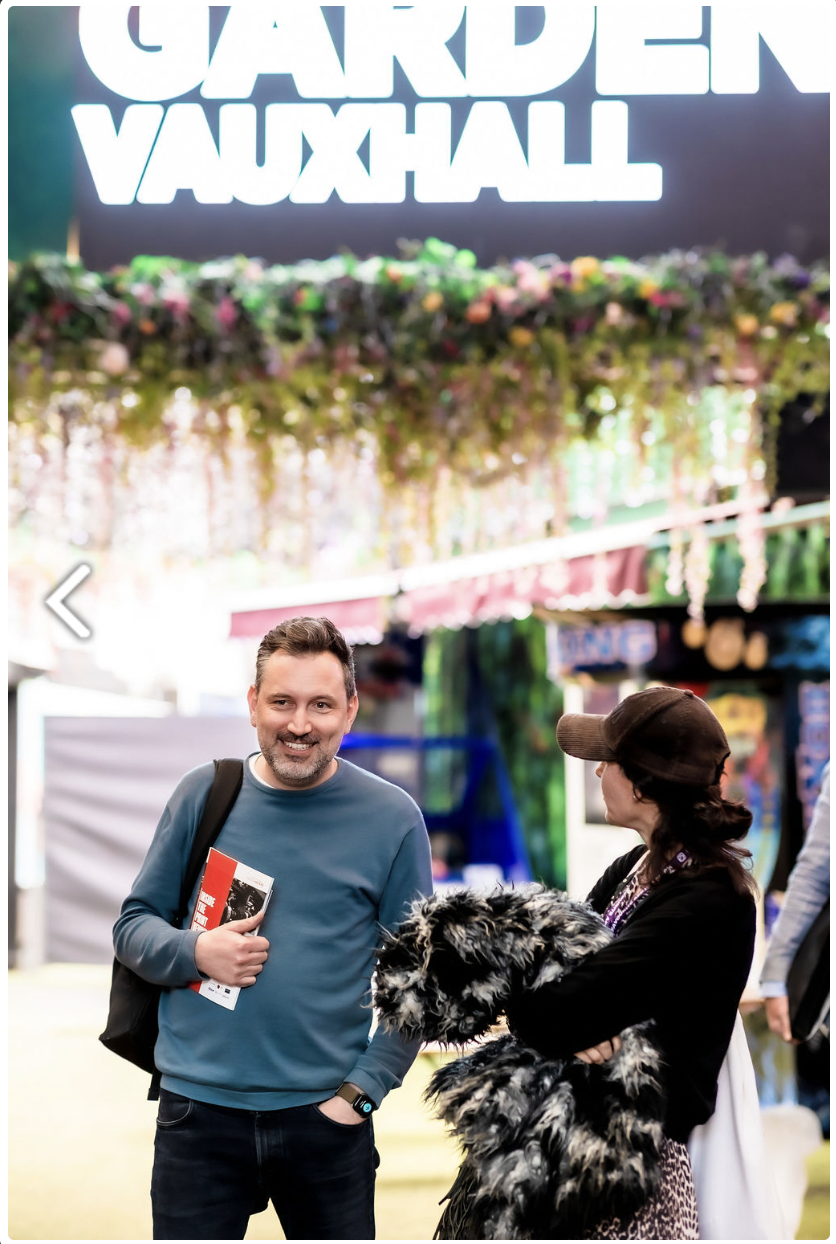
I missed the first two sessions (took the wrong tube to Vauxhall and got lost wandering around the concrete jungle). Thanks to
Rich Headland who kindly sent me his Inbox to Income workshop slides and some notes.
I did the Newsletter track, which was packed. The Print stuff was on next door at the same time, so I needed a buddy to swap notes with.
Here are some learnings from the sessions. It was very dark in there, so I used my phone as a torch, which ran the battery down (why is there never anywhere to charge up in nightclubs?). I need to bring a power bank and spare pens – it’s very annoying when your pen runs out mid-scribble.
Personality is everything
Much talk about putting a name on a newsletter for growth and loyalty and great to see so many publishers making their staff the stars. We heard from Dominic Rech at The Economist and Andrew Palmer, author of the Bartleby column, on why they’re making their podcasts and newsletters more personal.
The FT’s Sarah Ebner talked about the value of staff-led newsletters for retention and how they use voice more. In Central Banks, Chris Giles talks about what he knows and “readers love the expert voice.” Successful newsletters are where people build a relationship with a writer. Rob Armstrong and Steven Bush are two big voices at the FT.
If you’re worried about investing in a star writer and they leave, build out more big names, not just one person. Columns allow you to have more voices. But “don’t worry about big personalities leaving. Build them up; they’ll probably stay. Or you’ll find new folks.”
Sarah also said not everyone is suited to newsletter writing: “There are some reporters who can’t get round using ‘I’ in newsletters and responding to comments.” It’s not for everyone.
Neil Macdonald at National World shared lessons from their first-ever paid limited edition newsletter series, Scottish Golf Courses You Must Play (I wonder if Trump subscribes?). “Trust your journalist and expert voice with a massive depth of knowledge.” They worked with Martin Dempster, a golf writer who is passionate about the subject. They had buy-in – he was invested and helped create and shape the newsletter’s design.
Rosie Percy said Hearst is leaning more into personality-led newsletters, which helps with conversion. Esquire’s About Time newsletter: “People will read 6,000 words on watches!”. Red Magazine’s Love Red VIP newsletter gives you access to editors, content, and events, e.g. styling suppers, which you wouldn’t get elsewhere.
Henry Seltzer at Bloomberg: “We’re seeing a lot of success with our personality-driven newsletters. We’re seeing value in smaller, more engaged newsletters.” Substack and the rise of the individual newsletter have opened people’s eyes to what’s possible.
Joshi Herrmann at Mill Media: “Substack has made us realise people will pay for low volumes of content as long as they’re differentiated (voice). This is an enormous shift in thinking (and logic of online business models). People can charge more. A very exciting change that will grow a lot.”
Rob Parsons set up Northern Agenda in 2021, bringing you stories from the north outside the Westminster bubble. The newsletter comes from him, not Northern Agenda, and he’s added personal touches because “readers engage with a person better.”
Zoe Paskett at LMAOnaise said her TOV was extremely clear from the beginning – “it’s just me”. She’s carried that TOV across a print publication and digital magazine.
The afterlife of a pop-up newsletter
Publishers are experimenting with this, but what happens after a pop-up newsletter or course ends? Katie Binns at The Times shared some tips & tools to nurture temporary subscribers into other parts of your funnel – from affiliates and subscriptions to other newsletters. She edits Money Mentor, which has run pop-ups like Couch to £5K (no issues using this name!) and Pension Power Up.
She said people stayed after it ended, so “design your pop-up with the next steps in mind. Make sure what comes next leads somewhere valuable. You’re warming people up to go deeper into your brand.”
Great to hear someone so passionate about pensions. “People love pensions; they just don’t know it!” Helpful stuff most of us have our heads in the sand about! I have one but need to up my game.
Neil Macdonald on their limited (but evergreen) golf series. For £9.99, readers get 12 newsletters across two weeks, including ten that each look at a different golf course across Scotland. ‘Quality is paramount’ and ‘Sell, sell, sell – get comfortable with the hard sell!’ Get feedback with reader surveys.
Substack for community-building
Jenna Thompson shared what Reach has learned after two years of experimentation with free and paid newsletters on Substack (they’re also testing LinkedIn). Super smart to take advantage of audience growth and revenue tools on Substack (comments, notes, chat, recommendations) and lean into curated digests around topics.
“The main driver for using Substack is to grow a community.” She mentioned The Valiant (Port FC newsletter) and how reporter Mike Baggaley has made it feel like a ‘shared endeavour’ with readers by spending time in the comments and using feedback to shape future issues.
I like how Reach is “creating a community of newsletter authors” and giving them a space to chat. Very important not to have silos and to create connections, as newsletter writing can be a lonely job.
Good writeup from Charlotte Tobitt at Press Gazette on this session.
The power of teamwork
This was also a big theme. Neil: “Trust everyone” – it’s a multi-skilled team. He also said how nice it was to talk to people (in our breakout group) ‘who get it.’ i.e. our eyes don’t glaze over talking about newsletters. Andrew said the team behind Bartleby make the reach and quality better than as a soloist.
At the awards, most of the winners dedicated their awards to teammates who weren’t there.
It’s bloody hard for solo creators doing everything. Zoe said growth “is a constant struggle. You’re always pushing. You can’t sit back and wait for growth to happen on its own.” Collabs and partnerships are the way to go if you’re solo. Substack is working on tools for this.
A bit depressing to hear Rob and Zoe haven’t had much financial success yet (Rob has Reach’s support, Zoe has no backers). Next year, it would be great to see more money and investment in the newsletter space and hear about founders taking home proper salaries.
Some other tidbits – it takes Steven half a day to write the Bartleby column. 1x hour ideation, 2x hours writing, 1x hour editing.
I chatted with The Sun’s Engagement Editor, who said they’re ‘feeling the pull of Substack, but haven’t gone there yet’. A speaker ‘hates Mailchimp but is resisting Substack because he doesn’t want to be part of the ‘enshittification of Substack.’ Lol 🤞
And a couple of quotes I loved. A reminder from Rosie that being in someone’s inbox is a privilege, and we need to respect that. “I want it to read like a letter from someone I know, not just a series of links.”
Henry on the joy of connecting face-to-face: “When I’ve gone to some Substack events, I’m shocked by how many people show up and how passionate they are. People are just really hungry for in-person newsletter events.”
Thanks to the Media Voices team and sponsors for a brilliant event and making me feel so welcome. They had a few setbacks (the original venue closed, giving them SIX WEEKS to find somewhere new 😳). Host Chris Sutcliffe broke a tooth and needed emergency dental treatment – you couldn’t tell!
Exciting to hear MV have been bought by Flashes & Flames – the global media business weekly which started out as a newsletter so watch this space. I like the scrappy energy though and that it’s not shiny corporate.
Next year, I’d love to hear from more solo creators making money and building without burnout. Some growth tips from the platforms –
Substack Team, Beehiiv, LinkedIn, and Ghost. And we could build a creator house for collabs and cross promotions.
Great to hear the record shops of Hastings & St Leonards are on Rich’s radar for Record Shop Stories. Just sent him a new one – (bacon) Roll with the Vinyl.
Nika
🏆 See the full list of winners here.
 Nika
Nika 