Categories
Newsletter

Spotify’s Work-From-Anywhere Program; The Future of Remote Work on Big City Salaries

Thinking Big 💡

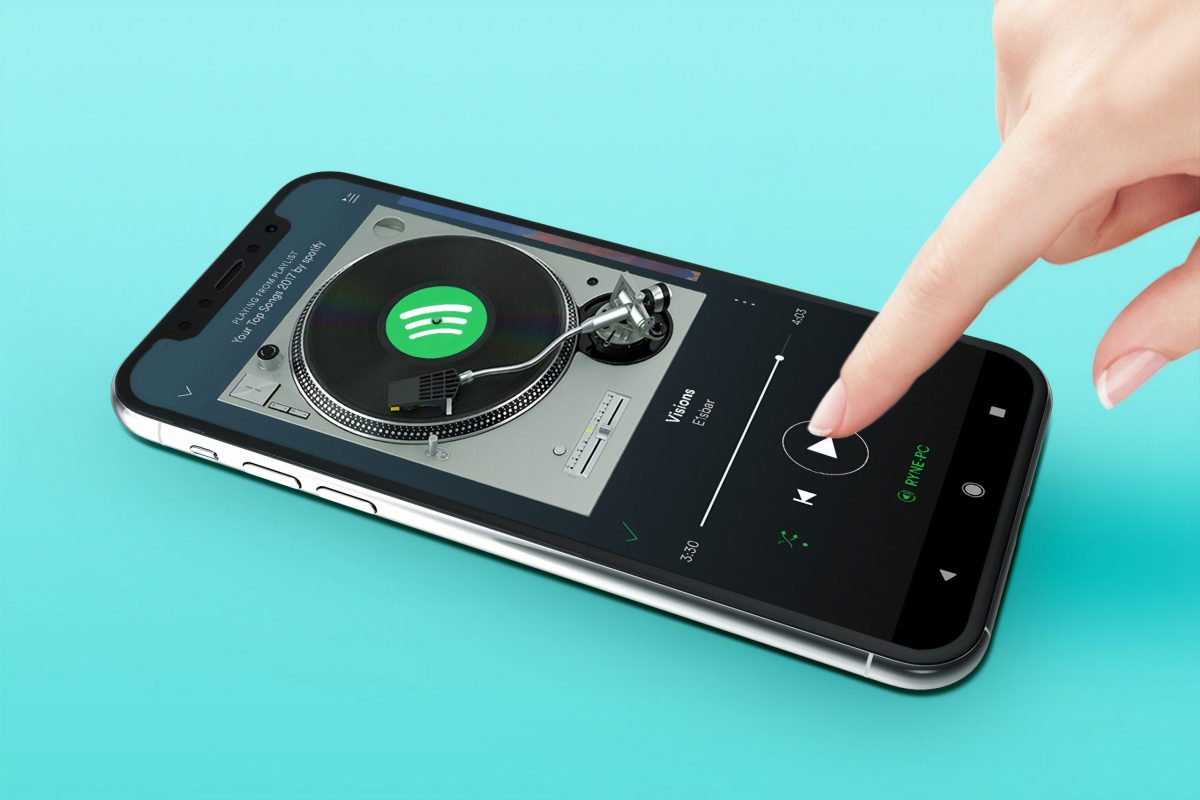
Last week, Spotify launched its new Work-From-Anywhere program, which allows its 5,584 (2020) employees to work ‘wherever they do their best thinking and creating’. They can choose to work in the office, remotely or in a co-working space that the company will pay for, and have to commit to one option for a year.

Spotify is following similar moves by other tech companies but will continue to pay San Francisco and New York salaries based on the type of job, unlike Facebook and Twitter who have said that salaries could be adjusted to align with the cost of living – i.e. potential pay cuts for those who move away from HQ. Location-based pay seems counterproductive and will damage morale. Does it matter where people are living if they are expected to deliver similar results?

Here’s Travis Robinson, Spotify’s Global Head of Diversity, Inclusion and Belonging, on the thinking behind the decision and how it will help promote work-life integration, happiness and inclusion (Business Insider).

This is an opportunity to shape the idea that big cities are the only places where meaningful work can happen because we know first-hand that isn’t true. We want employees to come as they are, whatever they are and whatever their cities are.

He also says it will promote pay equity, which location-based pay could damage.

It’s a smart move and having a global, diverse workforce will improve their bottom line. Better quality, original content and experiences will appeal to more cultures and grow their subscriber base. Spotify is the most popular audio streaming subscription service with 345m users, including 155m subscribers, across 93 markets.

Thoughtful leadership too. Offering to pay for co-working space shows they recognise not everyone can or wants to work from home full time. It’s having the freedom to choose your #workstyle, as Hoxby puts it, which means Spotify will continue to attract the best talent.

It also challenges the leadership team to improve their communication skills, collaboration practices, processes and tools to keep innovating. They seem to have found a way to marry European and American mindsets – taking the best from both cultures to create a new kind of workplace. I’m curious to see how they manage the challenge of a hybrid workforce and develop their culture going forward. If you’re working there, please get in touch.

Spotify’s CEO and Founder Daniel Ek is also investing one billion EUR of his personal resources to enable an ecosystem of builders who can build a new European dream – more super companies – the first ‘Silicon Valley’ in Europe?

I’ll be looking to fund so-called moonshots — focusing on the deep technology necessary to make a significant positive dent and work with scientists, entrepreneurs, investors and governments to do so. (The Observer Effect).

More on their Dynamic Workplace effort.


Welcome to Texas, Elon Musk. You don’t have to move to Austin

What happens to the local housing market if we have a dual economy of expats and locals with the former being paid higher salaries? House prices rocket, tension builds, and creatives move out as they can no longer afford to live there. Over the last 20 years the population has doubled in Austin, TX – ‘the new Silicon Valley’ where the average home sells in nine days. A brief history of Austin’s ‘Don’t move here’ t-shirts.

Last month Elon Musk announced he was relocating to the Lone Star state, but which of their tech hubs is the best fit? The odds-on favourite: Austin.


The advice 🤔

On being in the flow and preserving start-up energy in a big company:

How do you get that vibe and retain it when you’re a large company? you need to create a space where ideas can flourish, and risks can be taken – where serendipity can take place. You have to remove all the barriers to this.

I call people when I’m inspired by something and throw out lots of different ideas. Again, nine times out of 10, what I say is completely worth shit. But every now and then, I come up with something that’s super relevant for someone; something that changes how they look at an issue. This can lead to super interesting breakthroughs.

On ‘algotorial’:

It’s a tension to talk about editorial versus algorithms. Internally we call this “algotorial.” We think that it’s quite beautiful to marry both. This is the beauty of editorial and algorithms working together; we as a company want to always ensure that we are not only shaping culture but also reflecting it.

Daniel Ek, Spotify’s CEO & Founder. (The Observer Effect)

Go deeper 🕵🏻‍♀️

👩‍💻 On the future of remote working on big city salaries – some examples of what companies are doing as they take a global approach to hiring and remote culture. (Digiday)

💰 Should you get paid based on where you live? Interesting research shows location-based pay scales can weaken the morale of both lower and higher-paid staff, diminish productivity and increase turnover. (BBC Worklife)

🎧 Daniel Ek on habits, systems, and mental modes for top performance (Tim Ferris’ podcast)

⌚️ Ever wondered why a simple meeting can throw your whole day? Here’s a brilliant explanation of the Maker’s Schedule vs the Manager’s Schedule by Paul Graham. If we can understand the differences between the two types of schedule (manager vs freelancer, corporate vs start-up), it can help resolve the conflict. No more death by Zoom…

Pass it on!


Welcome to my bookshop! 📚

I’ll be sharing books in my bag and recommended reads on Bookshop.org. They pay a 10% commission on every sale and give a matching 10% to local bookstores, an integral part of our culture and communities. Check it out here.


Work with me 🙋🏻‍♀️

Leopard print, always. Worry less and rock a red lip. Remote work evangelist, problem solver, internet person.

💡 Something you want me to check out? Leave a comment or email nicci@niccitalbot.io

☕️ Tips & large bank transfers welcome

📩 Subscribe to The Shift here

👋 Join Copy Club, 6 pm GMT every Saturday on Clubhouse
Categories
Newsletter

🕵🏻‍♀️Twitter takes on Substack; A new revenue opportunity for writers

Thinking big 💡

Last week Twitter announced it has acquired Revue, a newsletter platform for writers and publishers. Their first move into building out long-form content on the platform and getting into the subscription revenue space.

Twitter wants all creators to join the platform – experts, curators, journalists & publishers and will offer an all-in-one integrated service that “will all work seamlessly within Twitter” said Product Lead Kayvon Beykpur and VP of Publisher Products Mike Park. They will add new features that help writers connect with their audiences, like allowing them to host chats with their subscribers and invest in community resources and other revenue streams later on. 

The platform will be free for all users, and Twitter will collect just 5% of paid subscriptions revenue compared to Substack’s 10%. They say writers will get paid compensation for how many Twitter users they convert to subscribers. It will strengthen its relationship with writers of all kinds who want a platform to share their content and ideas.

Twitter has been heading in this direction for a while. First, they expanded the character count on tweets, then stopped including photos and links in the count so you can write more. Then they introduced threads, so you can build a story. Last year they talked about acquiring a newsletter company, and there were rumours they were going after Substack, which co-founder Hamish McKenzie said was not going to happen. Of course, they want to keep writers on the platform – right now they publish their long-form content elsewhere.

I thought they might go for Medium given its history with Twitter, but Revue makes sense as it’s a small company and presumably hasn’t cost too much. They will remain an independent brand within Twitter, and Twitter will expand the Revue team over time.

Following the announcement, Hamish tweeted comparing the social media companies’ efforts to oil companies trying to be more environmentally friendly, but then wrote this post welcoming the competition. The media ecosystem needs a shakeup, competition is healthy, and platforms that put writers and readers in charge are better. Creators also need proper business models.

There are now more than 500,000 paid subscriptions across Substack, and the top ten writers collectively make more than $15 million a year. It’s still early days, but this thing is happening – Hamish McKenzie, Substack co-founder.

Newsletters are booming and of course, tech firms and publishers want a slice of the Substack pie. Facebook is also working on a newsletter tool for journos and writers (launching this summer). Forbes has launched a massive expansion into paid newsletters and has a 10-year history in this space with its contributor network.

There’s Ghost, Lede, LinkedIn, Podia, Patreon & many more. Mailchimp has bought Courier Media – the best mag, newsletter and podcast for small businesses and entrepreneurs. Hubspot has bought The Hustle, an email newsletter and content company in a deal valued at roughly $27 million.

Why are we newsletter nerds? Because the web is a vast space and cluttered. We don’t have time to filter through the crap to find the good stuff, and we want a personal subscription service that delivers content straight to our inbox. We’re happy to pay trusted curators to do the job. I look forward to reading daily Morning Briefings in my inbox – no more trawling through news sites, doom scrolling and dodging pop-ups and paywalls.

Niche media is a powerful tool.


A new revenue opportunity for writers ✍️

Substack has said it will remain ad-free, but the pressure is on. At least three startups – Swapstack, Upstart.me and Letterwell have begun helping small newsletters find interested advertisers. We’re already seeing some Substack newsletters running ads and sponsorship so it will be interesting to see how they respond if this becomes widespread. If writers can make money without turning on the paywall it’s not great news for Substack as that’s their business model – the platform is free for writers. They may have to rethink that decision.

I’ve signed up to Swapstack so let’s see how it goes. Good to have alternative income streams as I’m not comfortable pushing paid subscriptions in the middle of a global pandemic and recession – which is why I also have a tip me button. It also means you can keep your work accessible to all and not behind a paywall.


The advice 💬

2021 will be the year that publishers start to form strategies to deal with the “Substack problem”. By that, I mean they’ll need to find ways to discourage their star writers from leaving to launch their own Substack newsletters. In the most likely scenario, they’ll make deals with writers to launch the newsletter under the media company’s banner. They might structure the deal, so the writer gets to keep their current salary and then some percentage of the subscriber income they generate – similar to the advances and royalties that book publishers dole out. This will entice the writers because they get to maintain job security while also benefiting directly from their success. They can also grow their audience much more quickly with the help of the media company. It’s a win-win for both parties. – Simon Owens’ Media Newsletter


Go deeper 🕵🏻‍♀️

📩 Revue asked its readers to predict how newsletters will evolve in 2021

✍️ A new revenue opportunity for writers: Ads emerge on Substack’s ‘ad-free’ newsletters

🎧 Axios Re:Cap digs in on Substack and the future of media

👻 The Ghost team on how to build a sustainable newsletter growth machine

💻 A joy to read! Robin Rendle on Newsletters; or an enormous rant about writing on the web


Welcome to my bookshop! 📚

I’ll be sharing books in my bag and recommended reads on Bookshop.org. They pay a 10% commission on every sale and give a matching 10% to local bookstores, an integral part of our culture and communities. Check it out here.


Work with me 🙋🏻‍♀️

Leopard print, always. Worry less and rock a red lip. Remote work evangelist, problem solver, internet person.

💡 Thoughts, ideas, feedback? Leave a comment or email nicci@niccitalbot.io.

☕️ Tip me! My Ko-fi page

📩 Subscribe to The Shift here

Categories
Newsletter

Diversity #1: Female Creatives – Tips & Resources

I did an interview recently with the Data & Marketing Association (DMA) for a new diversity series. It’s packed with tips and resources for female creatives. Read it here.

Our new diversity series seeks out creatives who’re making positive contributions around recognising, understanding, embracing, and encouraging individual differences. Our first interview features Nicci Talbot, a freelance journalist, copywriter, and author of 11 books on women’s health & lifestyle. Find out how her company is helping female creatives, and download our PDF packed with tips and resources.

Data & Marketing Association (DMA)

Categories
Newsletter

🕵🏻‍♀️My first week on Clubhouse; 5 tips; their new ‘Creator Pilot Program’, nuggets

The Big Idea 💡

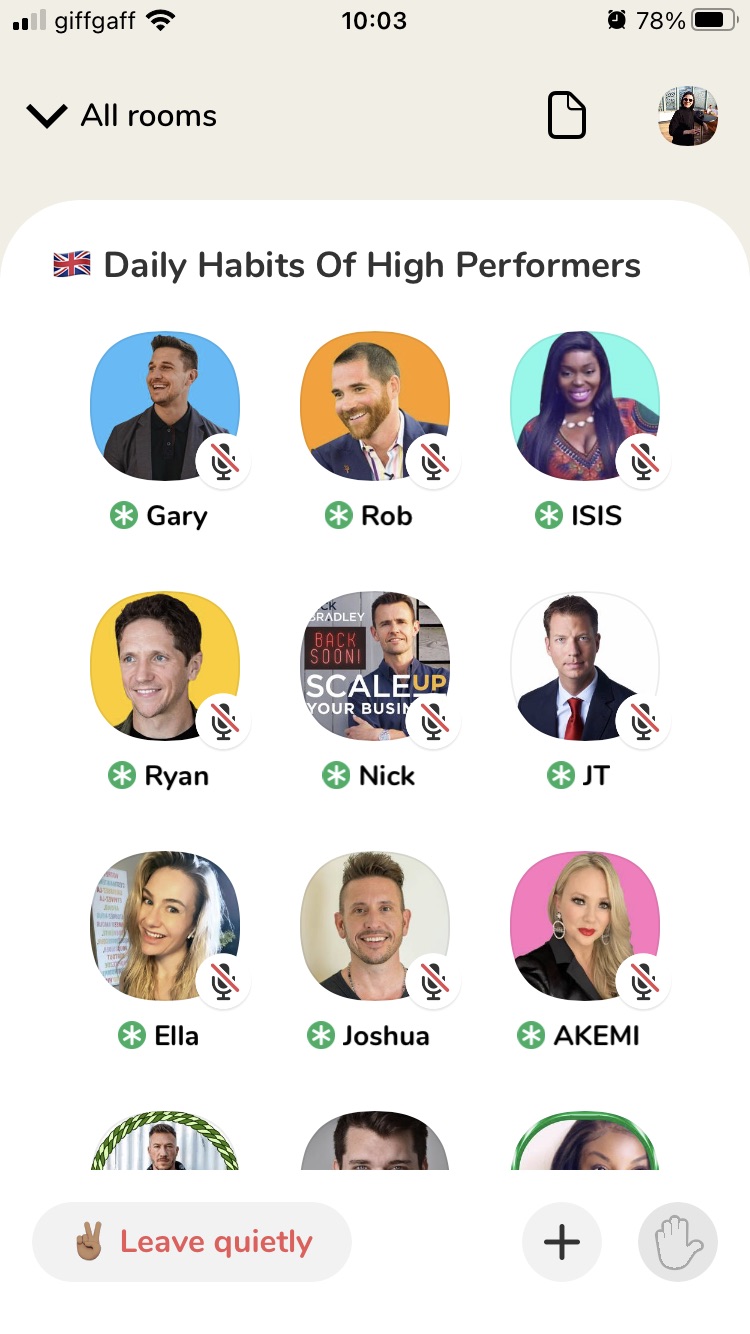
Clubhouse 👋 – A buzzy, invite-only audio, social media app.

A new type of social product based on voice [that] allows people everywhere to talk, tell stories, develop ideas, deepen friendships, and meet interesting new people around the world.

In May 2020, it was valued at $100 million in beta despite having just 1,500 users. By December, it had 600,000 users. A cross between an audio version of Twitter threads, live podcasts and a party – the next step up for podcasts.

I’ve been on it every day this week and loving it. It’s fun, vibrant and organic – I learn something new every time I tune in. They’ve hosted events on the tech exodus from Silicon Valley, Covid-19 and the gut, a beginner’s guide to Cryptocurrency, the pros & cons of 5G, & live performance of Antigone.

I can see why it’s flying during lockdown. We’re desperate for human connection and conversation and something that’s not Zoom. You can give your eyes a rest and have it on in the background – great if you work alone.

There’s a room for every topic under the sun

Millionaires Answer Questions; Be a Real Estate Boss; Music Networking No Egos; The Power of Social Media; Tech Talks, Womxn in Business – it’s US-heavy right now but growing fast. One guy said he’d just finished hosting an 8-day property room (he sounded manic). There’s also celebrity talk shows, live music, stand-up comedy, speed dating, political discussion, and performances. The Lion King had a 5,000 audience, 41 cast members and narrators, profile pics changing the scenes – a great opportunity for the theatre industry. And a 30-day festival coming up…

I prefer smaller rooms as they’re more intimate and you get a chance to speak. The larger rooms have a very different energy, some are heavy sell, lots of egos & too many mods – who can choose who they want on stage. Rooms full of men have different energy to those led by women. I’m enjoying Relaxed Business Networking, every day at 10.30 am – we had a good chat this morning about financial planning for women. You can pitch your business, ask for help, build your network, mentor others, hear diverse perspectives.

Getting started on Clubhouse – 5 tips

1/ Do your bio. The top three lines are important as they come up in the search so use keywords and emojis related to your field. You can’t add links to your bio, but you can link Twitter and Instagram and respond to DMs there (they’re working on a chat function). People are finding ways to monetising their bios – Cash App, tip jar, CH tip sheets to get you on their mailing list…

Be wary of gurus and experts. I don’t think anyone’s a CH expert yet, not even the founders 😉

2/ Be strategic and intentional. What info do you want to receive? What do you want to be known for? You don’t need to get all your updates from one platform. Be selective in who/what you follow. Curate your space & who you follow for a better feed, and exit rooms that give you a bad vibe.

3/ Get stuck in. Raise your hand even when you don’t know what you’re going to say. Start a room (it can be open to all, your contacts or private). You need to host three rooms to apply for a club, and people have suggested applying for a club first as there’s a backlog.

4/ Join the Clubhouse Town Hall on Sundays, 5 pm GMT – updates, best practice, and ask the founders.

5/ Keep a notebook handy – audio is fast and fluid, you’ll want to write down names, contacts, books. I’ve heard so many nuggets this week, a thread below👇

Clubhouse ‘Creator Pilot Program’

Where’s the money at? Right now, we’re not paying to enter rooms which has democratised it, but this will change. CH has said they won’t monetise it via ads which is a smart move, but there are other options: ticketing, tips and subscriptions.

It will be a platform for content creators to make money. They are testing an invite-only ‘Creator Pilot Program’ with more than 40 CH influencers including regular meetings with one of the founders and early access to special tools. Interesting to read that several of the people in the pilot programme are in their 40s and 50s and may not have big followings on other platforms – “not the Gen Zers and millennials most people imagine when they think of influencers.”

It seems tech investors are warming to the idea that being a content creator is a legitimate form of business – analysis from tech reporter Taylor Lorenz.

I feel like something has palpably shifted in the past year among investors, and it seems like everyone is talking about the creator economy now and investing in creator tools. Li Jin, founder of Atelier, a V.C. firm investing in the influencer economy.

Creators are passionate and take their businesses seriously. Serving them is a good business strategy.

The murky world of moderation  

If they want to keep users happy, CH also needs to be a safe space that’s well moderated. What are they doing to tackle hate speech, racism, misogyny and trolling? Here’s Tatiana Estévez on the recent issues and harassment of Taylor Lorenz, and the challenges of setting up an effective moderation system that protects women & other marginalised groups.

I’ve been at the CH Town Hall and they are responsive to comments and adding to their to do list. According to their Community Guidelines, rooms are now being temporarily recorded so they can check complaints, and you can ban and report users.

Maybe have CH users vote someone on to the board to deal with data/privacy issues – for transparency and to show you are committed to users’ views. It would be a good way to demonstrate bottom-up leadership.


The beauty of Clubhouse is that it’s live and easy to use. Please don’t add too many features – I’m really not bothered about messaging on the app. Being able to hop off onto other platforms during an event is a strength and keeps it sticky.

Please take off the follower count! It’s about adding value, not how many followers you have.

Brand accounts and podcast recordings – seen ‘em! Not sure how they fit in but keep them separate.

Those who are hearing and visually impaired aren’t being catered for now – live transcription would help.

It will be interesting to see what happens over the next six months. There’s much talk about whether it will lose exclusivity if it gets too big. I don’t think so. It’s different from existing social platforms and serving a need: human connection. Business networking is changing. I’ve heard many people say they prefer online events as they’re more accessible & affordable. We may not want to go back to the travel and expense post-pandemic, so this will be super useful.

As Li Jin said, creator platforms flourish when they provide opportunity for anyone to grow and succeed.

Ps, they’re hiring (Android launching in March) – apply here.


Toolkit 🛠

💻 The Verge: The $100 million start-up is learning the hard way that content moderation comes first.

👩‍🎨 New York Times: How tech investors are embracing the creator economy.

🗺 SignalFire’s market map to give you a deep view of the creator ecosystem.

💡 Li Jin on building the middle class of the creator economy.


The Advice 💬

Clubhouse nuggets…

The quality of people on this app right now. The networking is fucking amazing. It’s helped me so much with my public speaking.

Focus on energetic exchanges rather than monetary. Seeing the wealth that comes from compassion over sales. Shifting the conversation from monetary seems critical.

The best thing about Clubhouse: Not getting a suntan from the fridge lights. Before, I was spending a lot of time in the fridge. Now I’m spending it on Clubhouse.

The first real app that allows true interactivity. It’s revolutionary for the way we speak to each other.

I heard some techies talking about future of CH, people will come on with different voices.

I’d describe Naples as Liverpool with a suntan. They are very similar cities.

The world is full of amazing people. Any single mums on here? Struggling? Give us your PayPal email, and we’ll transfer some cash.


Welcome to my bookshop! 📚

I’ll be sharing books in my bag and recommended reads on Bookshop.org here. They pay a 10% commission on every sale and give a matching 10% to local bookstores, an integral part of our culture and communities. Please spread the word and help support the high street.


Work with me 🙋🏻‍♀️

Leopard print, always. Worry less and rock a red lip. Internet person, global citizen, flâneuse, problem solver.

💡 Thoughts, ideas, feedback? Leave a comment or email nicci@niccitalbot.com.

☕️ Tip me!

📩 Subscribe to The Shift here.

Categories
Newsletter

🕵🏻‍♀️Building a country on the internet

The big idea💡

Could we build a country on the internet?

Sondre Rasch, CEO, SafetyWing spoke about this at Digital Nomad Summit 2020 and has just launched Plumia, an unrecognised country on the internet. Their core product is global health insurance – a ‘social safety net’ for remote workers but their long-term mission is building a digital country as a membership product.

A fast-moving and software capable, technology-startup that is build from the bottom up like a company selling products.

Exciting idea.

I’m not sure if a private company is best placed to do this but then someone has to build it, and that’s probably going to be a tech startup with a global workforce. They have the education and motivation to do it. They can create a portal, start the movement and bring others on board. But they can’t do it alone.

Now is the time. Covid-19 is accelerating things and remote working has gone mainstream. As Satya Nadella, Microsoft CEO said, we’ve gone through two years of digital transformation in the last two months. Brexit is finally done 😿 And we’re back in lockdown so it’s a good time to be learning online, developing ideas, and doing the groundwork.

Here’s a summary of his key points – watch online here.

A nation of borderless workers

There are 150 million remote workers worldwide with estimates of 25 million digital nomads living abroad – predicted to rise to 1 billion by 2035. This is the size of a large country and growing fast. We have a nation of borderless workers with the same needs as everyone else, which aren’t being met. We also have remote-first companies like Gitlab and Zapier showing you can build big enterprises as remote first, paving the way for others to follow.

But while the internet is like a global city, the infrastructure is not. Infrastructure is usually built along geographical divides. We have a social safety net in our home country but we can’t take it around the world. Which is why they started SafetyWing.

Not having this is a barrier to equal opportunities and freedom. The internet and remote work mean people can apply for jobs anywhere, start remote companies, and be freelancers earning a living online. But there are many grey areas e.g. where to pay tax.

5 reasons why

1. Geographical borders are obsolete and impractical. Built at a time when it made sense that people were based in one place – i.e. agriculture and making a living off the land. The internet has already removed borders – you can earn your income elsewhere.

2. A lot of countries are really bad – see the Corruption Index and you get little back for what you contribute. Common problems aren’t being solved. Can we build a better country on the internet?

3. People want a tribe and they don’t have one. People to talk to and rely on when they’re in trouble. Fun and meaningful connections. Societies are atomised – we have less identity from corporations and work – especially freelancers who work on projects.

4. The internet and technology open up the possibility to create better countries. The infrastructure will be faster-moving, with less red tape, and we can adapt quickly. There’s huge potential for improvement on what we already have.

5. Innovation and competition in citizenship are good for people. Governments will have to compete for citizens, they can’t take people for granted. They will have an incentive to improve their services. Until now, countries have had a monopoly but the balance of power is shifting back to the individual.

How do we do it?

We can either lobby to be recognised as a new country online or do it in partnership with forward-thinking countries like Estonia (e-residency programme) to solve shared problems. The first country on the internet has to be built as a membership that’s recognised by other countries. It should protect its citizens from theft and exploitation – using encryption. And have the benefits of a tribe and a legal framework. It should aim to be 10x better than the existing alternatives.

It makes sense to build on the existing infrastructure rather than trying to reinvent the wheel – those ‘60s communes didn’t work.

I’m excited about this – it’s a great idea. It’s time to rethink how and why we do things and look at what’s not working. People want meaning in their work – work/life integration. Why retire at 67 if you’re doing project-based knowledge work that’s not hard physical labour? Most people want to contribute to society, build connections and stay active – and they have tons of experience and a world view. I have a real problem with brilliant brains dying and that info not being downloaded. Loneliness is also a huge issue across all age groups.

Do we still need annual holidays if we work remotely and can travel more often? And why do we have restrictive visas that mean digital nomads have to country hop? People would stay in a place for longer and contribute more to the local economy and community if they were allowed to. Why should you pay all your tax to your home country if you’re based in other places throughout the year – and those places don’t benefit from your stay? There are lots of problems to solve – and we’ll see more digital nomad visas being introduced.

Join the movement

They are looking for leaders and contributors in remote work and nomadic space to get involved. There’s not much on the Plumia website yet but they will be sharing more info in early 2021. It needs to be transparent so we can see the business model.

We have a network among founders and politicians to make a real difference in the world, and we need a global presence, great leaders, and a large number of citizens to make it happen.

There’s also this initiative to create the world’s first e-nation (beta) and private network of global digital nomads.

National and cultural identities are great but there is a need of an additional ‘complementary’ global identity that transcends national borders, solves global challenges and presents digital nomads’ agenda to the world. This is not a replacement of any existing identities, culture, heritage or overriding ancestors. We have a huge respect for those identities. We are just addressing a need of global citizens and our new digital world.


The Advice 💬

Why Information Grows: The Evolution of Order, from Atoms to Economies, by César Hidalgo.

Humanity is unique in that we accumulate information in the form of new products.

What makes humans so special is our ability to “crystallize” information, to create something from seemingly nothing but our imagination. A computer or a robotic leg are things that don’t appear in nature but had to be imagined before they could be created.

But crystallizing takes a lot of effort. When we want to create a new physical order, we need to push the limits of reality, and this can rarely be achieved by one lone individual.

Thus people work together to develop new products with the knowledge they’ve collectively acquired from older products made by other humans.


Toolkit 🛠

👩‍💻 Plumia: An unrecognised country founded by thought leaders and entrepreneurs in the remote work space

🎧 Conscious Culture: Rebuilding Infrastructure For The New World

📑 SafetyWing: 13 Reasons Why We Should Soon Expect The First Country on The Internet

📹 Digital Nomad Summit 2020: Building a Country on The Internet

📱 Digital Nomads Nation App: First e-nation and private network of digital nomads


👋 I’m on Clubhouse nosing around. It’s a drop-in audio chat social network where you can meet new people, listen to conversations and join groups. The perfect place for Plumia to nest! I love audio – it’s intimate, empathetic and you can join from anywhere – no need to dress up, write anything and you can quietly leave the room when you’ve had enough. It’s like being in a swanky hotel bar and eavesdropping on conversations – Gary Vaynerchuck! This will fly. Well done to the founders. Great marketing – they’ve been everywhere this week with people scrambling for an invite.

You can join the waitlist here.

I’ll do a proper review next week.


Welcome to my bookshop! 📚

I’ll be sharing books in my bag and recommended reads on Bookshop.org here. They pay a 10% commission on every sale and give a matching 10% to local bookstores, an integral part of our culture and communities. Please spread the word and help support the high street 🙏


Work with me 🙋🏻‍♀️

Leopard print, always. Worry less and rock a red lip. Internet person, Croissant co-working, global citizen, flâneuse, problem solver.

💡 Thoughts, ideas, feedback? Leave a comment or email nicci@niccitalbot.com.

☕️ Buy me a virtual coffee every now and then – Ko-fi page here.

📩 Subscribe to The Shift here.