Categories
Newsletter

The Lives of Lee Miller: A Woman’s War – Review

I went to Farley Farm House last week for a guided tour around the home of Surrealist painter Roland Penrose and American photojournalist Lee Miller. It is a low-key 18th-century house in Chiddingly, East Sussex managed by their son Antony Penrose.

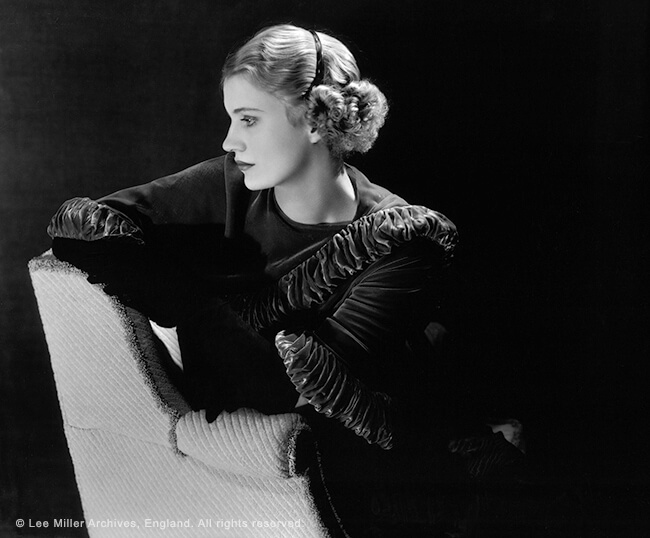
Lee Miller started her career in photography as a fashion model in New York. A chance encounter – stepping out in front of Condé Nast’s car one morning, led to her modelling for Vogue. For the next two years, she worked for various brands and was the first person to feature in a menstrual hygiene ad for Kotex, which almost finished her modelling career. She told a journalist that she wanted to “enter photography by the back end,” and sought inspiration from various artists including May RAY who she followed to Paris in 1929, introducing herself as his new student. She became his lover and muse and together they developed a new artistic technique called Solarisation, which you can see in some photographs in the house.

Lee came back to New York in 1932 and ran her own photography studio for two years before closing it down to move to Cairo with her new husband, Egyptian businessman Aziz Eloui Bey. This sparked a series of desert photography shots with abandoned villages and barren landscapes. There’s one photo in Farley Gallery of a desert landscape behind a torn net – a prophecy of what was to come when she became a war correspondent in the 1940s. Boredom and restlessness brought her back to Paris in 1937 and she met Roland Penrose at a ball, who she married 10 years later.

Lee moved back to London in 1939 just before the Second World War broke out, resisting orders from the US to return home and instead worked as a freelance photographer for Vogue. In 1944 she became a war correspondent with the US Army – and possibly the only woman to cover the front line in Europe – photographing various key events including the siege of St Malo, the Liberation of Paris, fighting in Luxembourg and Alsace, the work of WRNS, ATS, the Land Girls, WRVS and the nurses. She also photographed refugees in Europe, women forced into slave labour and prostitution and concentration camp victims. She stayed in Hitler and Eva Braun’s houses in Munich documenting Hitler’s house at Berchtesgaden in flames prior to Germany’s surrender.

In the sitting room at Farley Farm House, there are various artefacts, photos, books and mementoes from various assignments and their travels together. One photo shows her sitting in Hitler’s bathtub, her muddy boots staining the white bath mat. Another is a group photo of May RAY and his lover Ady Fidelin, Penrose and Miller, Nusch and Paul Eluard picnicking in the sun, the women topless and relaxed. In the corner, there’s a silver tray with her brand of cigarettes and alcohol. Doctors told her to drink to help her relax and forget what she had seen in Europe, which led to her alcoholism.

Lee and Roland lived at Farley Farm House for 35 years, entertaining visitors from the art world including Man RAY, Picasso, Max Ernst, Joan Miro, Echaurren Matta, and British counterparts Antoni Tapies, Eileen Agar, Kenneth Armitage, William Turnbull, John Craxton and Richard Hamilton. In the kitchen, there are humorous paintings by Picasso and above the Aga, a tile he decorated set in the wall. Surrealism was about finding the magic in every day, exploring what happens when inner and outer worlds collide and Lee wanted art to be part of the everyday.

In the study alongside her modelling photos and various vintage magazines, there are lots of cookbooks. Lee developed a taste for surrealist cooking – becoming a gourmet cook and frequently told her guests to roll their sleeves up and get chopping.

I saw Antony’s performance piece, The Angel and the Fiend a couple of months ago in Hastings, which is a fantastic biography told through stories, letters and music. Restoring Farley Farm House and founding the Lee Miller Archive has been a lifelong project for him (he found her photographs in the attic and says growing up, he knew little about her war photography). I suspect it has healed some rifts over his mother being away for a large part of his childhood and given him a deeper understanding and appreciation of his parents’ lives.

I left the house feeling emotional, humbled and inspired by the rawness of the work and the richness of the life they created together. Outside is a beautiful sculpture garden, a peaceful, healing space overlooking the South Downs, which has been enjoyed by many visitors over the years. Roland Penrose died at Farley Farm House on 23 April 1984, seven years after Lee Miller died from pancreatic cancer. He had been ill for some time but was holding out for something, which was Lee’s birthday.

Farley Farm House is open from every Sunday from April to October with an additional opening day on Saturday 3rd October.

www.leemiller.co.uk

Lee Miller: A Woman’s War – an exhibition of 150 photographs depicting women’s experience of the Second World War by Lee Miller – opens on 15th October at the Imperial War Museum. It is the first exhibition to address Miller’s vision of gender and features photographs, objects, art and personal items not before seen on display. Book tickets online here. 

Lee Miller: A Woman’s War is published by Thames & Hudson.

Image © Lee Miller Archives, England 2015. All rights reserved. www.leemiller.co.uk

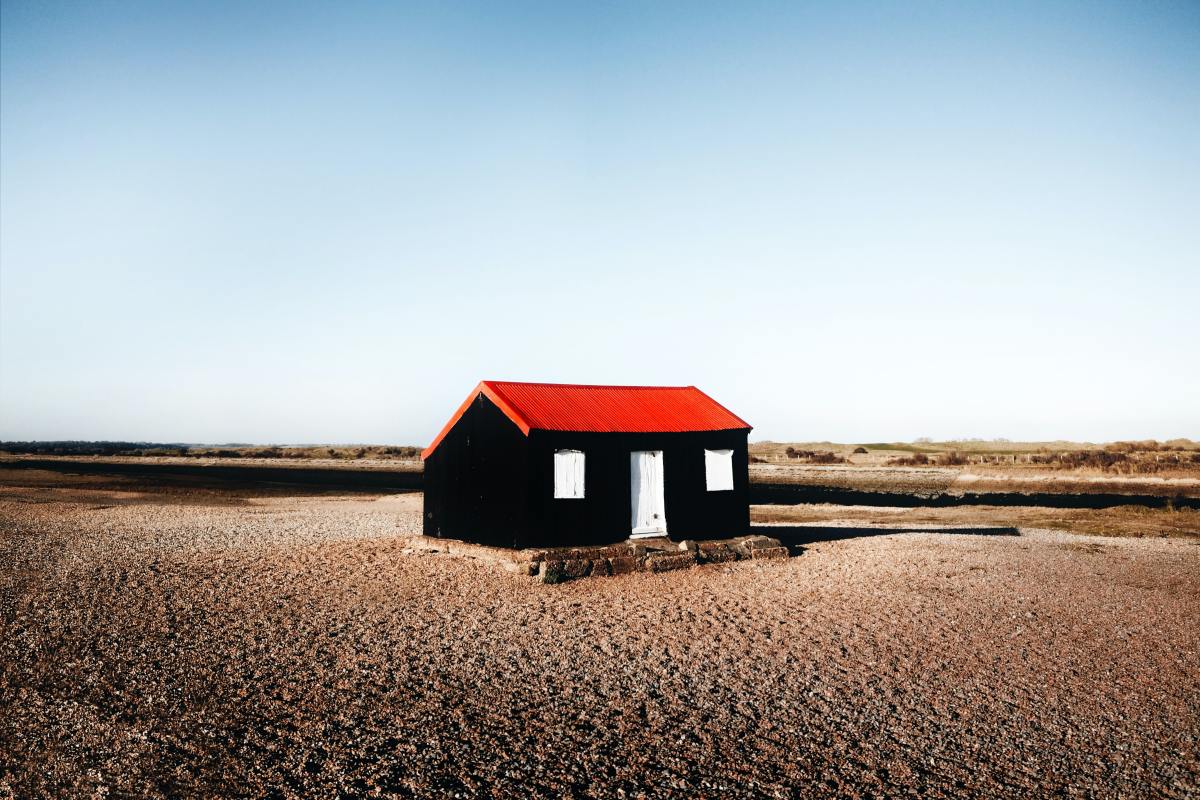
Photo: Thanks to Thomas Curryer on Unsplash

Categories
Newsletter

Markwick Gardens, St Leonards

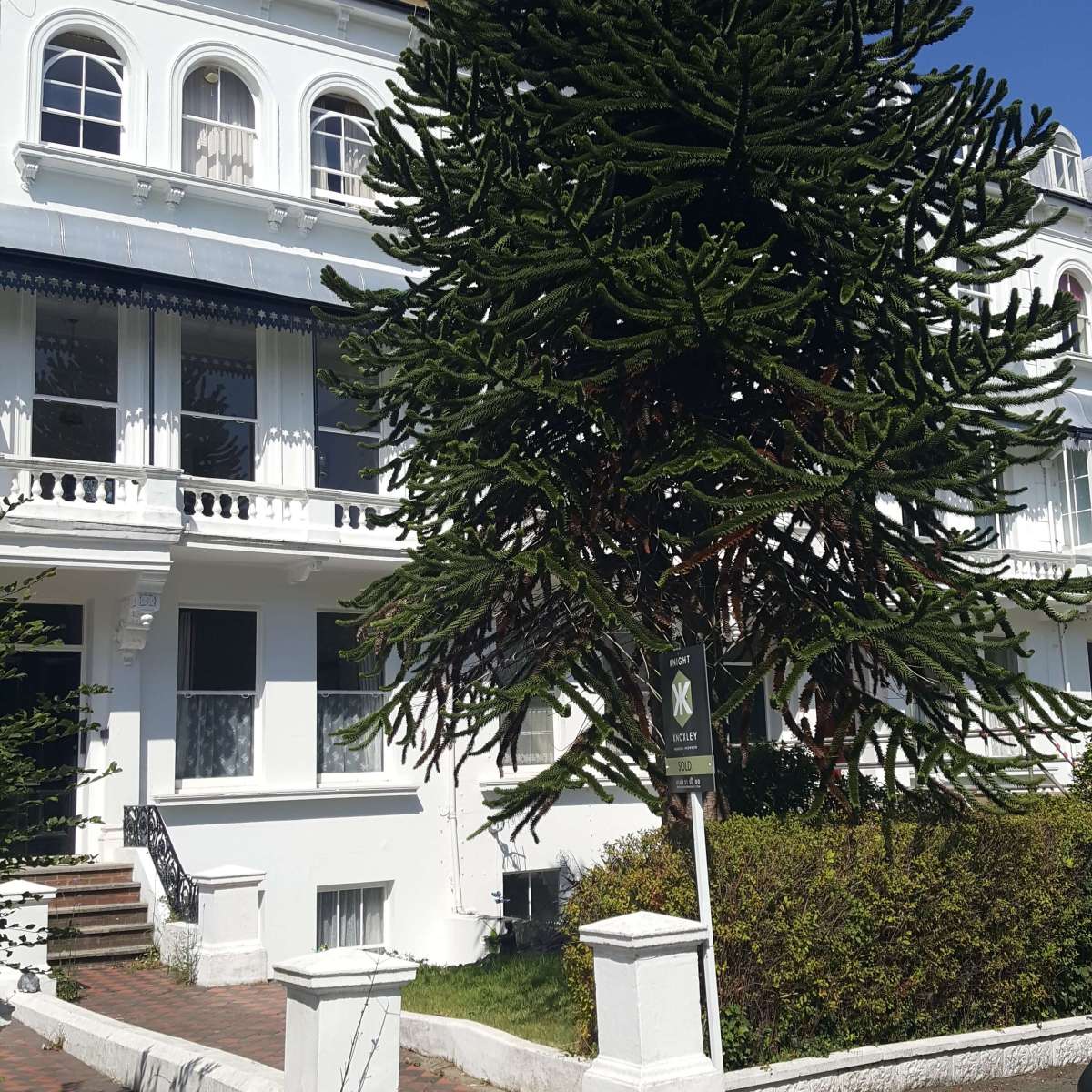
I have just moved into a lovely flat in Markwick Terrace, St Leonards on Sea – the last great Regency seaside resort. St Leonards has been part of Hastings since the late 19th century, but it has a distinct character thanks to the vision of London architect James Burton who bought land here to create an upmarket pleasure resort. Markwick Terrace is high up on the hill and one of the most beautiful residential streets – a row of white Victorian properties with huge windows and decorative balconies with cast iron railings. My balcony is still intact – the one at no 11 was damaged during the war.

Markwick Gardens was formed in the 1860s for residents in the terrace to enjoy. It is privately owned and since WW2 has been managed by the Markwick Gardens Association whose aim is to restore it to its former Victorian/Edwardian splendour. “Much history has been lost or forgotten, and we are trying to piece it back together again.” You don’t have to be a resident to join, and they host free events so you can come and have a look around. I went to the dog show a couple of weeks ago – a proper parade of various breeds with judging, rosettes and doggy book stalls (this is a doggy town). Next weekend there’s a barn dance & supper, a summer fete in July and the fantastic Rude Mechanicals touring theatre in August. The gardens are well maintained and bigger than they look from outside. They have a high fence so feel very secluded, like being in your private retreat. There’s a bandstand, BBQ facilities and in the far corner, the head gardener’s house. “It’s a lovely location, especially when you’ve got access to the gardens as well”, I heard a man in the street say this morning.

The prolific author and novelist Sheila Kaye Smith was born at 9 Dane Road and lived there from 1887 and 1924. She used the gardens as a setting for one of her books, “Selina is Older”; well worth a read for an insight into what the gardens were like at the time. Her work focused on the changing role of women, provincial life and the effect of industrialisation.

I love the flat. It’s light and peaceful and I feel quietly focused. It’s fantastic to have a space to create, grow my little Mediterranean garden and plan my next adventure. It’s amazing what a difference high ceilings, big windows and outdoor space make. I’m motivated to get up and have coffee outside, watch the street wake up and plan my day. It’s all residential around here but it doesn’t feel suburban, perhaps because of the literary history, beautiful architecture and activity in the gardens from dawn to dusk.

St Leonards is full of open gardens. I’ve lived in Anglesea Terrace opposite Gensing Gardens, on The Mount behind the recently renovated St Leonards Gardens and St Michael’s Hospice Garden, and on the seafront near Warrior Square with its lovely rose garden. I walk through there to go to work and see the same crew out walking their dogs and having a chat; it’s a friendly community.

St Michael’s Hospice in Maze Hill has just launched its 2018 Open Gardens season. Part of the National Open Gardens scheme, it’s very popular – last year they raised over £36,000. This season 40 beautiful private gardens will be open from May to August in Hastings Old Town, St Leonards, Winchelsea, Northiam, Westfield, Udimore, and Mountfield, all in aid of the Hospice. It’s a beautiful way to explore Sussex through the eyes of keen gardeners and get some inspiration for your own. Every summer beauty writer Jo Fairley hosts a cream tea at her home in Hastings Old Town. She raffles off beauty products she’s been sent throughout the year to raise funds for charity. There’s also a well-known gardening writer who opens up her place in Croft Road. For a small fee, you get the chance to see Sussex through someone else’s eyes, access private spaces, learn something new and gain inspiration for your own garden.

Find out more:

http://markwickgardens.co.uk

http://www.stmichaelshospice.com/opengardens

Categories
Newsletter

Hastings Art: Ella Guru’s Nightlife Paintings

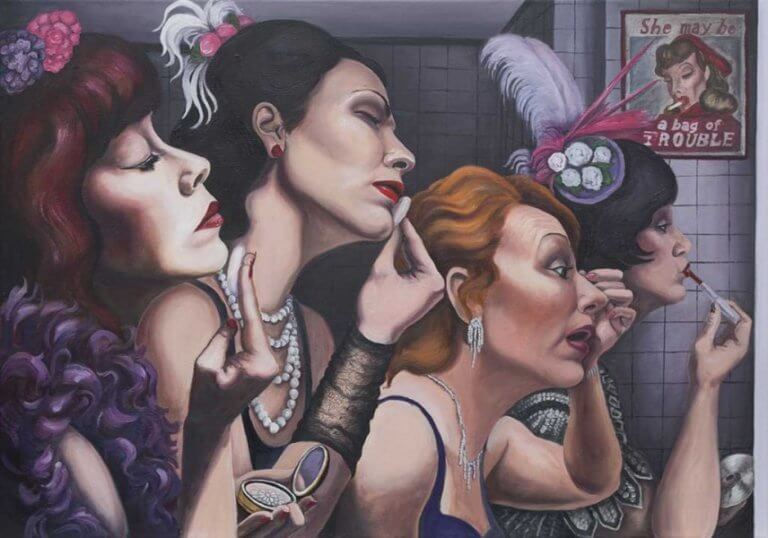
Ella Guru has led a vibrant life… the mother of one is a ‘Stuckist’ artist and portrait painter, a teacher and has worked as a go-go dancer, a guitarist, and with the homeless, moving from Ohio to squat in London in the ’80s, all of which infuses her magic realist style. Her latest work is a 22-card Major Arcana Tarot Deck, which mirrors her journey from city to the seaside. Nicci Talbot met the artist at her home studio for a reading.

Last year Ella Guru packed her bags and moved to St Leonards-on-Sea after 23 years in London.

For the past 2 1/2 years, she has been working on a new collection: a hand-painted, oil on canvas, 22-card Major Arcana Tarot Deck, which has documented an arduous journey from city to the seaside.

“The cards are about the journey of moving,” she tells me when we meet at her studio and were inspired by her role as one of the 13 founders of the Stuckist Art Movement in 1999 (she also set up the website). At Paris Stuckist Ella Dax’s instigation 22 Stuckists painted a card each from the Major Arcana. Ella’s was ‘The Magician’ inspired by her friend, the international magician Paul Nathan. What she didn’t realise back then was that this was the start of a momentous journey that has culminated in a move to the seaside and the creation of her own Tarot Deck.

It has not been a sequential journey. “They are more back to front” and have taken on a life of their own with fortune-tellers, surfers and paddleboarders (her new hobby – she has swapped masked balls for masked swims…) colliding with Burlesque performers, artists, musicians and vagabonds. “Three of the cards are about Hastings, can you guess which ones…?”

There are recurrent themes of identity, alternative lifestyles, journeys, and being an outsider.

Does she feel that way about the art world?

“I’m a trained artist with a degree and so I don’t fit the bill of ‘Outsider’. However, I also don’t seem to fit in anywhere in the art world. I am not a conceptual artist. Nor am I a completely traditional painter. I am a ‘Stuckist’, which encompasses a huge variety of styles but is more of an attitude than a specific method of working. Some Stuckists can be outsiders; others have PhDs and successful careers.” She is inspired by painters like Caravaggio and Velázquez and her work has a modern twist influenced by The Tiger Lillies, Rocky Horror Picture Show, The Last Tuesday Society, Gypsy Hotel, Shore Leave (a sailor’s club) and the Lucha Britannia Mexican wrestling shows (wrestling comes up a lot of her work inspired by her childhood friend Maura who took it up in Seattle).

She works mainly from photographs she has taken and likes to play with role and gender reversal, exploring the idea of changing one’s identity through make-up and costume. She was brought up Catholic in Columbus, Ohio and says there was lots of shame around the body and being naked, so it’s interesting that she has chosen to push these boundaries with her work.

Scenes of Bacchanal Delight

Many of the cards depict a journey of some sort or a ‘facing the demons’ scenario. Occasionally she’ll add a self-portrait – the Medusa Mermaid is her scuttling away from the telephone not wanting to deal with bureaucratic nonsense, and in The Chariot, she is on the island of Sark in a chariot race, desperate to move. The Justice card shows a young black man, a friend’s son from Hackney who was so fed up with being stopped and searched by police that he went to Cambridge to study Law. The Empress card depicts Kali, the destructive side of the Mother Goddess. The Emperor is Pan, Alexander the Great and the Green Man, and the Devil is a drunk. My spiritual guide (The Hierophant) is a Rock & Roll priest, and Temperance is Sweeney Todd, the Demon Barber, who mixes hair dye amongst severed heads. This was inspired by a friend, Amanda Mae Steele.

She had so many compliments on the peachy ass in the Devil card that it now has its own Facebook Page – The Arse of Almande Magdalene – and has been added to the Wheel of Fortune card. It was also a performance piece for a while in Brighton, she says, and you could spank it, stroke it, kiss it…

Ella has also been surprised by a number of uncanny events since she finished the paintings. Her friend who inspired the Empress Kali card fell pregnant and she noticed a fertility rabbit in the corner… another card shows a friend caught between illness and health and he later developed cancer.

I am curious about the eggs in the frying pan in ‘Baked Velázquez’, as they look slightly out of place. She explains that Velázquez painted eggs frying in his first masterpiece at age 19. In the 17th century, that would have been difficult because there were no photographs to capture that moment when the eggs are just starting to congeal.

Being in her studio is a bit of a magic carpet ride and so, feeling inspired I asked her to give me a quick Tarot reading.

“I can give you a basic 4-card reading,” she says, explaining that her friend Trisha is a whizz with Tarot (and will be doing readings throughout her exhibition, which starts tonight in St Leonards). “Trisha can do full readings with 72-cards. She does Romanian Gypsy cards too and the last few times she’s done them has been amazingly accurate – spookily so…”.

I drew the first and last cards of the pack as part of my set of four – ‘The Fool’ and ‘The World’ – which seemed rather fortuitous. The former indicates where I am now… “about to embark on a journey” she says, and the latter indicating that things will be alright. “The world is your oyster… things will come together.”

A nice balance to my favourite of the local cards, which depicts a darker side of Hastings… the Tower pub in St Leonards balancing precariously above the falling cliffs of Rock-a-Nore in Hastings Old Town (part of the cliff recently fell down and Ella was on the beach at the time). It captures the mood of living here brilliantly.

Signed packs of the Tarot cards will also be on sale at £45 each or you can buy them online here. 

I took the darkness and ran with it. She is passing the baton to Anne Sophie, her young protégé. She is saying be bold, be free, and be true to yourself. Express who you are, and don’t hold back. And whatever you do, “Don’t wear beige. It might kill you.” Sue Kreitzman.

Sue Kreitzman – http://www.ellaguru.co.uk

www.ellaguru.co.uk

Read our interview with Sue Bourne, director of Fabulous Fashionistas.

Categories
Newsletter

The Flying Lovers of Vitebsk – review

A couple of scenes in this play wound me up. In one the painter Marc Chagall is dismissive of his wife Bella’s talents and says, “You’ll never be a writer because you’re always thinking about something else”. In another, he’s four days late coming home following the birth of their daughter because he’s been immersed in his painting. When Bella tells him how painful the birth was and that she can hardly walk he says, “Do you think what I do happens painlessly?”.

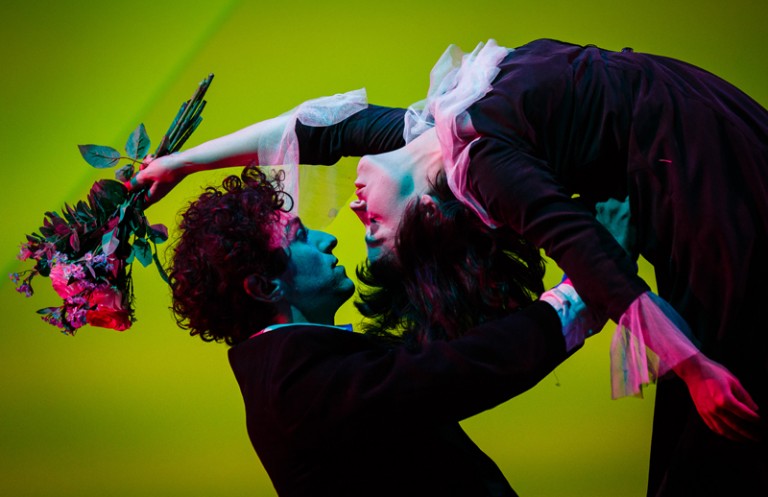
The Flying Lovers is director Emma Rice’s final play for Kneehigh Theatre and tells the story of the surrealist painter Marc Chagall and his wife Bella Rosenfeld, the daughter of a wealthy Jewish family who own several jewellery shops in Vitebsk, Belarus. They go through several events together – two world wars, the Russian Revolution and the persecution of the Jews which drives them out of Russia to seek refuge elsewhere. I love this painting by Chagall, the inspiration for the cover photo from the play, which captures freedom of spirit and their feelings for one another. Chagall believed that freedom of the soul led to more abstract work.

It’s a small cast – just four actors on stage – Marc and Bella (Marc Antolin and Audrey Brisson) and two musicians (composer Ian Ross and multi-instrumentalist James Gow) who play beautiful, haunting music and take on different roles throughout. The first half is joyful to watch: funny, sexy; a riot of colour that introduces both characters and tells us how they met. Various scenes are played out around an imaginative tent pole created by Sophia Clist. The mood is expansive and full of possibilities as they get to know one another.

Chagall is restless though and building his career so goes off to Paris to discover new art movements – Fauvism and Cubism – he wants to be taken seriously as a painter in his own country and for this, he needs to leave and exhibit elsewhere in Europe. Bella stays home convinced that he’s discovering other women too. After a few years, he returns and they marry.

The mood becomes more sombre in the second half as they flee to St Petersburg so he doesn’t have to do service. The reality of married life sets in, Bella at home alone in their damp flat counting down the hours until he returns and they can “create a new colour together”. A smart and educated woman, she’s aware that she has been his muse and the inspiration for much of his work (“My whole life is pervaded by the colour of loving you”), but at the end of the day it’s his name at the bottom of the canvas and “what shall I do?”.

She starts keeping a journal and at the same time discovers that she’s pregnant, her initial surprise turning into creativity as she immerses herself in her writing.

On the surface, this seems like a simple play, a little clichéd in parts – starving artist meets a wealthy woman who becomes his lover and muse, but there are several themes running throughout which are just as relevant today: what it means to be married, an artist, a mother, private versus public life, loss of identity and homeland, loneliness, and the hidden side of lives that are not in the public eye.

How gutting that as they finally get some stability and peace in New York Bella becomes ill and dies at 56 from lack of suitable medication. Chagall goes into mourning and realises how wrapped up he’s been in his own work. He publishes her Yiddish memoirs with their daughter’s help. It’s also sad that it’s only after she’s gone that he realises how vivid her writing is and that although they saw the same things in life it was through different eyes.

It didn’t move me to tears as some of their other plays have but this is a story worth telling and even more relevant today with the movement of people across Europe. It is an intimate and personal tribute from Emma Rice to the theatre company she has loved and grown with over the past few years.

At the Lost Gardens of Heligan, St Austell from Thursday 14th to Sunday 31st July 2016.

Some of Marc Chagall’s paintings are on display for two months in Vitebsk.

Categories
Newsletter

Exhibition: Love Lived by Holly Wren

Photographer Holly Wren’s exhibition LOVE LIVED is on the first and second floor lobbies at Broadgate Tower in the City of London. Giant cubes featuring images of 14 people she interviewed for her project were lit up outside back in February and are now on the move to two further locations. “The cubes have been really popular and look spectacular at night. They are a great way for people to engage with art,” says Holly, whose aim was to have a cross-generational project that challenges preconceptions around love and relationships and celebrates ageing. She is also questioning why older people – the fabric of the city – are no longer anywhere to be seen.

“It was really important that the project wasn’t all hearts and flowers. There are people who have that and there are people who have never found love, and all the degrees in between. There are many different types of love to experience, and these stories demonstrate that breadth”.

All of her subjects except one couple, Rita and Ernie (above) were sourced through Contact the Elderly, the charity supporting the exhibition. They were all photographed at home and have experienced love in many forms – from chaperoned dates to chance meetings, dance halls and war army bases. Themes include first loves, passion, rejection, affection and marriage.

All of the stories are fascinating but some stand out for their subjects’ bravery in challenging social norms at the time. Joan was rejected by her first love and went on to build a business based on love, running the UK’s first escort agency and a computer dating service with a man she met on a blind date. Chitra from Trinidad shunned her arranged marriage when she realised it would mean giving up her career and moved to the UK in 1963 to train as a teacher. Florence from Jamaica responded to a lonely-hearts ad in her local paper, which led to a lifelong romance. Sidney, an ex-serviceman, describes his 62-year marriage to Winifred was one of convenience that had its ups and downs and questions how relevant marriage is to the younger generation now.

“We don’t normally ask older people about their experiences of love so it was good to have a conversation around that. I asked them questions like, “Can you describe love?” and “what was it that you loved about your husband?” Two of the men cried when talking about their wives who had died but interestingly none of the women did, which surprised me as the exhibition mostly featured women. Sometimes the responses were quite simple, which made me wonder if we overthink love or place too much emphasis on looking for some pre-ordained idea”.

Looking at photos of strangers can be a little surreal so hearing their backstories and having some context through video interviews is grounding. The videos on Holly’s website add depth and enable you to get to know the characters a bit more.  Love is universal in whatever form it takes and it’s reassuring to know we’re not alone with our disappointments.

“I’m amazed at the things people said and their honesty. I feel privileged to have done this. Most ordinary people are completely extraordinary when you dig in…”

LOVE LIVED is at the Broadgate Tower first and second-floor lobby spaces, available to view by appointment until 10th June. www.lovelived.co.uk.

Visit Contact the Elderly to find out more about joining their team of volunteers.