Categories
Newsletter

The Shift: Issue #1

Work Life Shift; NUJ News Recovery Plan; #forgottenfreelancers campaign; Remote Work Wiki.

We had our first National Union of Journalists branch meeting on Zoom this week. London Freelance. 77 members – many of whom haven’t been to a meeting before as they don’t live in London etc. so this is definitely something to continue post-corona. People seem to prefer audio-only for evening meets as it’s less intrusive, radio background while they cook or do other stuff. It works well. 

Pamela Morton, Freelance National Organiser and Michelle Stanistreet, General Secretary, gave us a quick update on what’s been happening with the #forgottenfreelance campaign to help workers who fall through the cracks. 

There was no support for freelancers initially, so getting the Self-employed Income Support Scheme (SEISS) up and running was a result. It went live on Wednesday – check if you’re eligible here. Then they realised there are horrendous gaps – two million workers fall through the cracks so they’re pushing for a meeting with Treasury to see what we can do. They’ve been hearing from sole traders, limited company directors, casuals paid by the PAYE system for shift work who haven’t been furloughed by the companies they work for, newly self-employed and those earning over 50k. 

I’m one of them as a sole director – see the #ForgottenLTD threads on Twitter, so I’ve been applying for grants and Universal Credit.

Many journalists are facing great hardship and say they’ll be feeling the impact for years to come and are considering leaving the industry. Read more

Categories
Newsletter

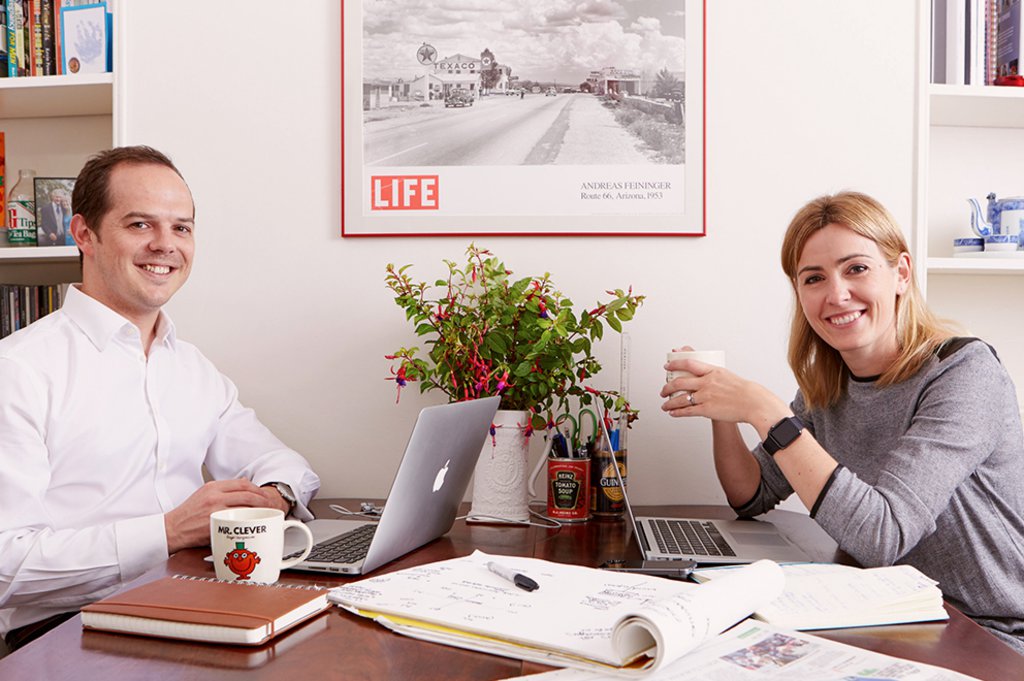
Remote working – an end to the office as we know it? 

Office workers have been catapulted into the biggest ever remote working experiment during the global pandemic. How are employees adapting to the new normal of working from home full time – and how can we fine-tune our workstyle to avoid a new phenomenon: Death by Conference Call?

New research reveals productivity, happiness and office culture are booming with the shape of the office set to change forever:

  • Almost 3/4 (71%) of office bosses are pleasantly surprised by team productivity during lockdown despite more than half (54%) being nervous about their teams remote working before the Covid-19 pandemic
  • Over half (52%) say their organisations are MORE productive remote working than in an office – a surprise to almost 3/4 of bosses
  • Nearly 2/3 (58%) of office workers say remote working provides them with more autonomy to do their job in a way that suits them
  • 1/4 (25%) believe they’ll remote work at least half the time after the pandemic is over (compared to 10% before)
  • 70% of business owners and 78% of senior management agree ‘remote working is the future of my organisation’. 34% of business owners are considering moving to an entirely remote office

Nice to have some good news, especially as the lockdown measures (and remote working) look set to continue indefinitely. The study, conducted by Hoxby, a virtual agency and consultancy on the future of work, also found:

Effective Working: 71% of office workers think their employer is well set up for remote working. Almost 2/3 (58%) say remote working provides them with more autonomy to do their job in a way that suits them, rising to 63% of those in a managerial position. Only 19% say they prefer being in an office.

Happiness: 57% of managers think remote working is good for mental health, with only 14% recognising any adverse effects. Two-thirds of office workers agree that though the current situation is challenging in other ways, they are enjoying the fact that remote work means they can spend more time with their family, rising to 72% of those with young children. Only 8% say teams seem unhappy as a result of remote working.

Office culture: Over half (55%) of office managers say office culture is just as strong as ever, with office chat continuing just in a different form. Only 18% of office remote workers have seen any negative impact. 

The future is now
So, will this signal the end of 9-5 office culture? 1/4 of workers think they will remote work at least half the time after the outbreak, compared with just 10% before and 12% of the workforce say they’ll be working entirely remotely after the outbreak, compared to 4% previously.

Before the pandemic, 45% of office workers surveyed were required to be in the office ‘at all times.’ This is expected to fall to just 27%.

How might UK offices change shape?
70% of business owners and 78% of senior management agree that “remote working is the future of my organisation.” The lockdown has led to many reviewing how their businesses are structured. 42% plan to reduce the amount of office space they need. 49% think they’ll encourage more remote working. 34% are considering moving to an entirely remote office.

We still need to fine-tune remote working
48% of office workers admit they’re relying on conference calls too much and would like to learn more about other working practices rising to 63% amongst business leaders. 44% of workers are on conference calls “most of the day”, 54% of those who are managers. Junior team members need more support with set up.

Stuck in the 9-5
It seems we’re stuck in the 9-5 mentality, a throwback from the industrial age. 77% of business leaders expect their teams to work similar hours. Only 12% are trying to buck this trend for their teams, i.e. trying to escape the shackles of presenteeism. 34% of senior managers said remote working was something they wanted to do more of but felt they should be ‘seen’ to be in the office.

Great to see such positive outcomes after just five weeks of lockdown – with no practice run! I hope companies take this on board and rethink how they operate. As the founders of Hoxby, Lizzie & Alex point out, “Changing working practices is about putting people, their lives, their work, their mental health, all of these things centre stage… To avoid the ‘death by conference call phenomenon’ and ‘coat on the back of the chair’ expectations of presenteeism… “Organisations need to keep a watch on remote working practices and evolve and better them by gaining a deeper understanding of technology and virtual leadership.”

It’s time to leave the industrial age behind and adopt digital age working methods to improve diversity, productivity, and wellbeing – happy workers tend to be loyal ones. This shows remote is the future of work and there’s no going back, so it’s just a matter of fine-tuning our methods. It’s is an opportunity for companies to trailblaze with workstyles that are more flexible, more productive, and more enjoyable.

Use this time to get your head around new technologies, build online communities, and do things differently. There are more effective ways of working that may cost less. If it’s working well why would we want to go back to the old way of doing things?

Hoxby has a #RemoteAgainstCoronavirus campaign for a better remote working strategy. I recommend these articles:

Recognise that Remote Working is not the Same as Working from Home

Focus on wellbeing and mental health – The importance of, and practical tips for, looking after your mental health during the crisis.

Don’t be paranoid and start to view success based on output – five rules for leading remote teams.

The importance of building virtual communities and community engagement.

Hoxby’s remote working strategic approach.

Censuswide researched 1,003 office workers currently working through the pandemic between 22/4 – 27/4/20. 

Photo by Georgie Clarke.


Categories
Newsletter

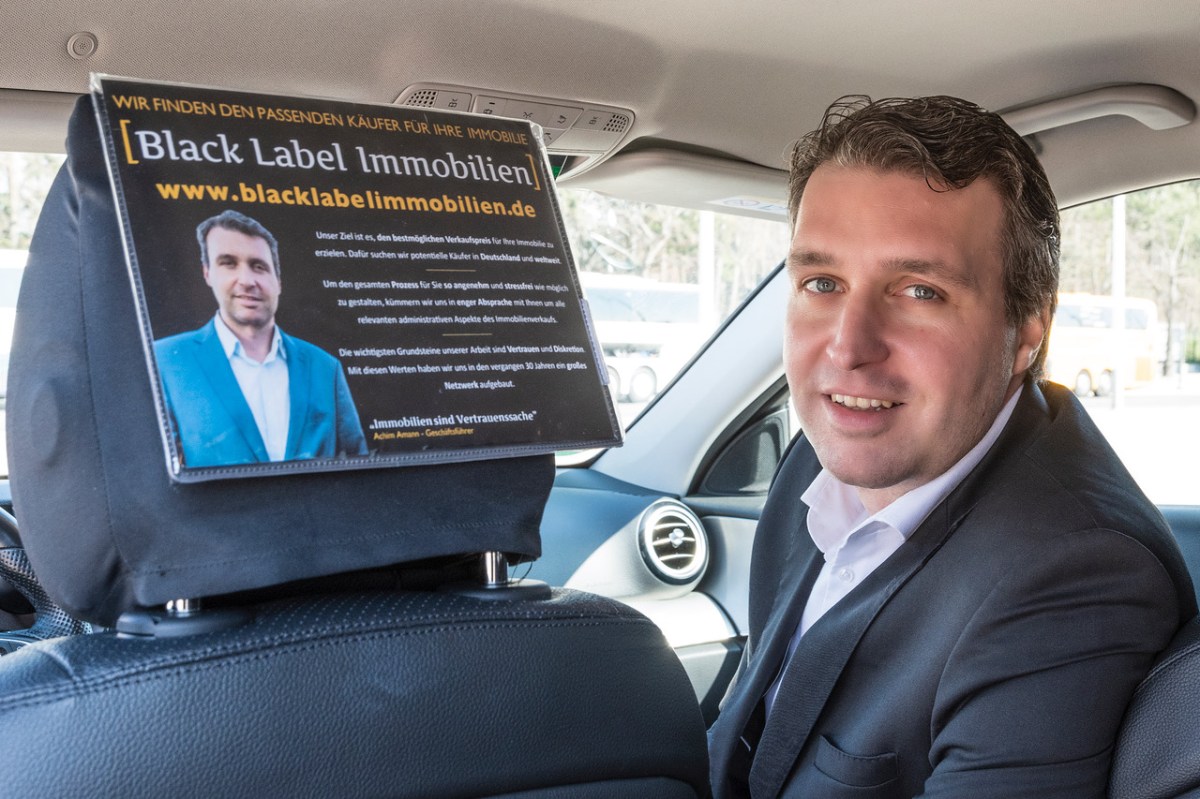
Interview: Achim Amann, Black Label, Berlin – “The state has a lot of credibility right now. They decided to help the economy by giving freelancers 5k and small companies up to 15k.”  

Germany has had twice as many diagnoses of Covid-19 but a much lower number of deaths than other countries thanks to mass testing and a fast lockdown. The state has also asked humanities academics to advise on ethical and human approaches to the lockdown. The 26-strong working group – historians, philosophers, and teachers – pulled together this report, working quickly via Zoom. The government of North Rhine-Westphalia, its most populous state, has also enlisted an eclectic mix of experts – businesspeople, telecoms executives, and legal advisors to share their views on the lockdown exit strategy.

I asked Achim Amann, co-founder of Black Label Properties in Berlin, how the pandemic has affected the real estate industry, and what support is available for freelancers & startups in the creative capital.

Germany has had a much lower number of deaths than in other countries. Why do you think this is?
As I see it, the main reasons are the mass testing approach and better organisational skills – one of the strengths of our culture plus a general acceptance of the shutdown measures. We do test a lot of people, but we still need more testing. If one hospital doesn’t have enough capacity, patients are being transported to the next one. Also, our lifestyle is very different from countries like Italy and Spain. We have fewer people per household, and elderly people live in their own apartments. 

What measures have been taken in Berlin for the lockdown? Massive state surveillance or self-responsibility?
The state closed schools, kindergartens, cinemas, and cancelled events. There is less public transport, and people are working from home where possible. They closed down all shops that don’t offer food and drugs, etc. We don’t have massive state surveillance like Austria, and there is a lot of self-responsibility. Most people follow the rules I would say.

Do you think the state has handled the emergency well and fast enough?
Yes and no. Well enough – yes, but not fast enough. Our government wasted time in January and February when we could have done much more. Helping other European countries has only just really started. This should have been done much sooner, for example, with Italy. But since the government made their decisions, we all feel a lot better. The state has a lot of credibility right now. Especially when they decided to help the economy by giving freelancers 5k EUR and small companies up to 15k EUR – that was a sage move that helped to keep people calm and happy. 

How has it affected the real estate industry?
We are fully operational. We have fewer vendors and buyers than last year but a higher quality of leads – there are fewer tourists out there as we say. Business, in general, is very good in our industry. We have decided that everyone should work from home if they don’t need to be in the office physically. We have implemented Zoom in our team meetings. We wear masks to do viewings and practice social distancing. With legal appointments, we make sure there’s enough space between the parties. We have cut costs on portal marketing and invested more into our own website and marketing team instead. The only real negative we can see is the lower speed of banks financing our clients. But they are still financing them, and we’re getting deals closed and exchanged.

What has the government done to support Berlin’s fast-growing startup scene?
They have given 5k EUR to one-man shows and up to 15k EUR to small businesses. This is generous plus tax reliefs and other advantages such as the government will cover up to 80% of employees’ salaries so the company is only paying 20%. It’s a very fair deal and much better than firing people.

Were you prepared for this – will it change how you operate?
Yes and no. We have a strong business and reasonable cash reserves. No, as we’ve invested a lot into new marketing on social media and Google. We wouldn’t have spent as much on a third party. We haven’t laid anyone off, but we have cut costs on two freelancers. So far, we are safe. We reacted very fast in January as our Chinese Sales team told us what was coming. So, we had an extra two months to get prepared.

Do you think China should offer some kind of financial compensation to other countries?
There is no point in finding a scapegoat. Actually, the Chinese are now bringing a lot of business to Europe. They are investing a lot in the German economy as well as in property. To start trade wars as the Trump government has doesn’t help.

www.blacklabel-properties.com 

Categories
Newsletter

Interview: Natasha Russell – “It’s a world of content ‘on-demand’. I see opportunities. I see real changes in the vision for and experience of events.”

Natasha Russell is a freelance events producer based in Cheltenham. Collaborative, fearless, and super-friendly, her clients include the London Evening Standard Film Awards, Amnesty Media Awards, Nike and Adidas. We worked together on the GCVA Conference in March just as the COVID-19 pandemic hit. I asked her how it has affected her business and what companies can do to future-proof their events.

What do you do?
I am an events producer, working on corporate events as well as festivals and mass participation. I have been self-employed since 2012 but last year moved to operate as a limited company, as most agencies and clients prefer this. I live and breathe events. For the past 15 years, I’ve worked first-hand at every level of event management and production.

How has your business been affected by COVID-19?
I had two big jobs before the pandemic hit. Initially, it was just extra insurance precautions and additional sanitation measures. Since then, most events have been cancelled. A few have been postponed, and budgets will likely be cut. For those from August onwards, ticket sales have slumped or stopped, despite ongoing marketing in some cases.

So, the reality is that the pandemic has stopped all imminent work, and I suspect this will be ongoing for some time. The last thing we should sensibly be doing is joining thousands of people in a festival environment, for example, where let’s be honest, hygiene levels are much harder to maintain, and any communicable illness is a risk.

Have you had any financial and emotional support?
At the moment, it seems that I am one of many who fall through the cracks as a sole director. Although I am patient to see what might change and get worked out, I have six years of accounts as a sole trader with a reasonable income and would have been properly supported until I changed the status of my business.

I have looked into universal credit and am trying to explore the furlough rules. The irony of the situation is that most events professionals were happy as sole traders and would have been covered, however various schemes such as IR35, have meant more and more ‘freelancers’ have had to form limited companies to continue working.

I have been proactive in contacting my MP and sharing online petitions. I work with Hoxby, a freelance collective and there’s much informal support there, either passively on the vast Slack platform the organisation uses, or actively in individual chats with people in the network, including the founders Alex and Lizzie. They have just launched Remote Work Mates which aims to support people who are new to working remotely. It’s great to have a network of people, who are not emotionally involved with you or your business, to reflect and discuss things. Hoxby values output, not ‘time at your desk’, which helps with mental wellbeing at this time.  

Otherwise, I’ve been turning to the event/business groups on Facebook for information and advice from my peers, (as well as many skill-sharing webinars), ultimately there are thousands of us in the same boat, so this is good for industry-specific things. I’m a big fan of Twitter – you need to take things with a pinch of salt sometimes, but if you follow the right people there are some excellent nuggets of advice and information. I have been watching Martin Lewis (along with the whole nation).

How are you adapting your business?
Initially, there were many knee jerk reactions – people quickly taking things online – shares in Zoom are going through the roof. I have played a slower game, learning about the different platforms, and how to create the best experience for speakers, delegates, sponsors, and exhibitors; how to generate networking spaces for 1-2-1’s and how to maximise income without a physical experience. I have spent time attending my online events to see how I get distracted, what holds my attention and how people are subtly able to get their brand out there. I am now confident to support my clients to move forward with their events in this strange time. 

I am also looking at my skill set, developing new skills for when the events world re-awakens and looking at other projects that can use my expertise. I do hope that I can keep my business going, and I am lucky to have some loyal clients who will come back to me, even if they don’t go digital. I also hope to be able to continue to support new clients whatever their needs might be. The whole events industry is one that pulls together and works collaboratively so whatever the need of the client, there will be an approach I can deliver.

Can you give an example of how the industry has pulled together?
Skill swap days started; people are sharing knowledge. There is no competition, just a general desire to keep busy and share information. Look at how the most prominent event venues have turned into hospitals. People were amazed at how quickly it happened – that’s events – if you want to build something fast and efficiently, call us in and we will do it, and well. One of the next projects I was due to work on would have been at ExCel London, so we would have turned that same space into a fantastic party venue, unrecognisable from an empty hall and the hospital ward it is today. 

What does all this mean for the future of events?
We are already an industry under scrutiny for our sustainability credentials, the travel, the waste – the world of work has changed. Remote working is the new norm. We are now in an era where people are proving they can work just as effectively remotely as in an office, they can even hold down their job and home school their kids! 

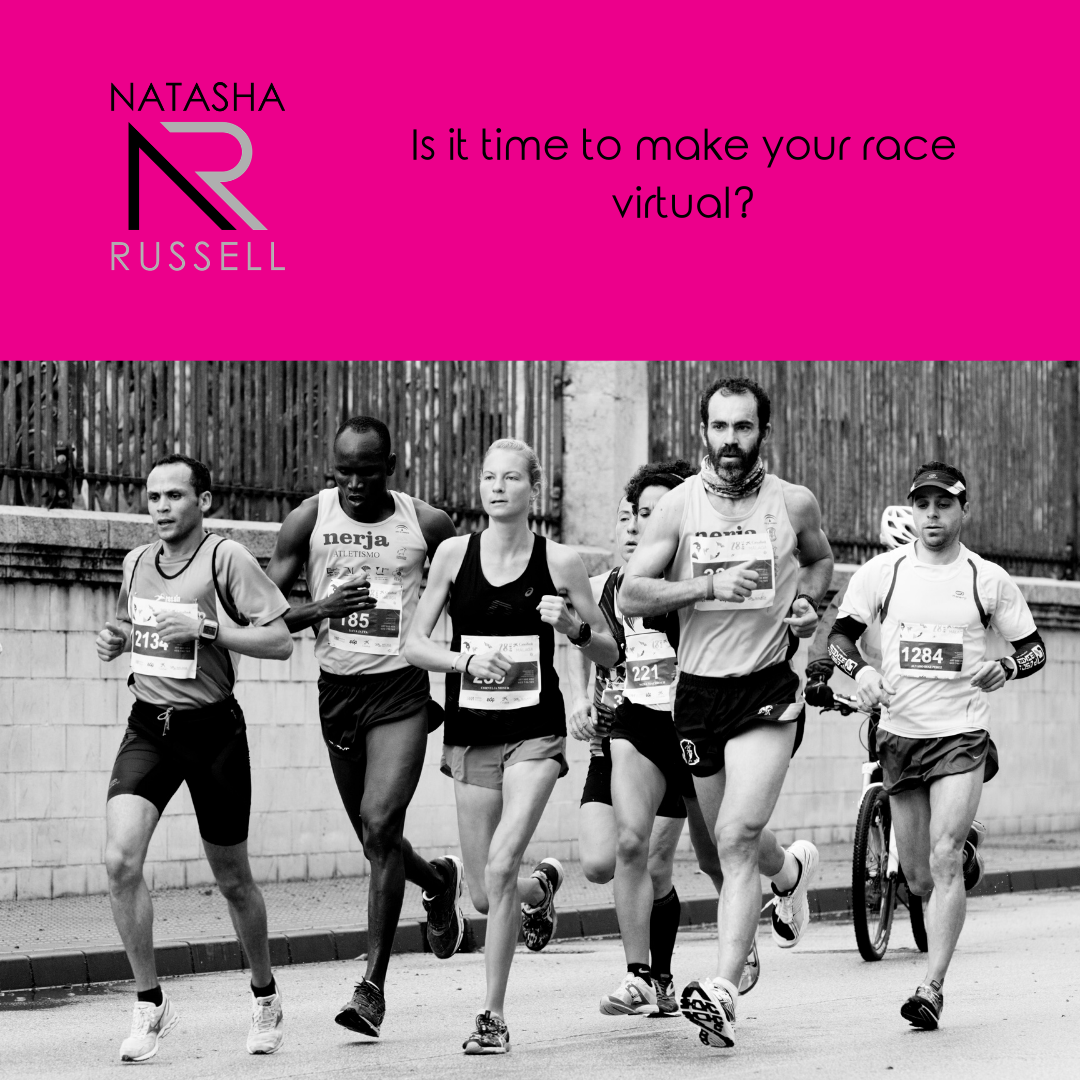
I think we will see a shift in the industry. I work in the mass participation sports market, and we are seeing massive changes in people’s habits during this time so not only will live events see a boost but also a desire for virtual challenges. There will always be a desire for experiences, and I think social events, festivals and the like will continue to have real meaning and people will have the desire to connect, with friends, family, their favourite band and even their favourite brands. With everyone getting fit during the lockdown, maybe mass participation events like 5k runs will come back with force, bigger and better. 

91980879_2660180984214943_1551316039554301952_o

Where I see a long-term change is in corporate events. Businesses will have to be much more open to having a digital offering in the future regardless of whether we get back to ‘normal’. Corporate events are sometimes a bit of a ‘jolly’. If we can effectively deliver the same meaningful content, networking and opportunities for brands to reach their customers online, then will we need to take time away from our families to attend that big conference? Why travel overseas to hear a keynote speaker when realistically you can be in your home office and have a similar experience? We can ask questions, share ideas, run polls, and showcase brands online. We can even go into the side ‘room’ and network with a potential client or collaborator. 

Suddenly there are opportunities to attend events that weren’t viable financially or otherwise, as we can participate in our own homes, with no time off work and no travel costs. It’s a world of content ‘on-demand’. In the future, I see virtual or hybrid events becoming mainstream and complementing in-person events. I see them blending, and most brands having a virtual presence. I see opportunities. I see real changes in the vision for and expectations of events. 

www.natasharussell.co.uk 

Photos by Natasha Russell

Categories
Newsletter

Interview: Nadeesha Uyangoda – “I’ve plenty of time to write now.”

The Only Black Person in the Room author talks about life in Milan during the lockdown. 

Nadeesha Uyangoda’s first book is a memoir/personal essay about racial issues and identities in Italy. Uyangoda, 27, is a freelance journalist and currently quarantined with her mother in Milan. 

How are things?
I haven’t left my house for almost a month now. I’m working from home, which isn’t an issue for me since I’m used to it. I think those who live in the cities, in small apartments, sometimes without even a balcony are most affected by the lockdown. 

Online food shopping isn’t an easy task these days. Everyone is doing their groceries online, and there aren’t many delivery spots available. I have to go to the supermarket, and the queue is so long I’m always tempted to give up. However, there’s no shortage of goods right now, except for flour and yeast – people are cooking just to fritter away the day. 

Over the next few weeks, we’ll see if the lockdown is affecting the availability of local produce. Italian agriculture seems to be at risk because of COVID-19: seasonal workers, who usually come from abroad, stayed at home this year.

What’s the mood like?
Emotionally, there have been two moments: at first, the general mood was hopeful, cheerful even (“We’ll get through this,” “It will be fine.”) Then we started to look suspiciously and angrily at people outside of their homes. Some people have even posted pictures and footage of joggers, neighbours walking dogs, and fellow citizens doing their shopping twice in a row. Looking at the posts on Facebook pages of towns and cities, you can see the change: there’s unrest. 

Are people following the orders to quarantine?
Citizens abide by the rules, even when politicians set a poor example. I’ve seen institutional figures not wearing their masks properly, or taking them off randomly and then wearing them again. Social distancing is taken very seriously. I can’t imagine hugging another human being once the lockdown is over, not from one day to the other anyway, even if I really miss hugs.
Do you think the government acted quickly enough once they realised the virus was spreading in Lombardy?
I think the government has acted as quickly as any other Western country. However, the management of the emergency was a bit chaotic. The day before the decree putting Milan and Lombardy under lockdown was signed off, a draft of the same order was leaked to the press panicking people.

Also, the government waited too long before closing all the non-necessary industries and businesses. Until 21 March, most of the factories were still open, with workers protesting and striking over a lack of security measures in the workplace.

Since the lockdown has been in place, the self-certification form required for leaving one’s house has changed four times in three weeks. It may seem a minor issue in the larger picture, but I think it says a lot about how the emergency has been managed.   

What can other countries learn from Italy?
I don’t think other countries will necessarily learn from Italy. People are keen on underestimating the effects of COVID-19 until they find out for themselves. Boris Johnson being taken into intensive care should give the UK a clear picture of what the next few months are going to look like. 

There’s been some inappropriate behaviour lately – the Governor of Veneto, Luca Zaia for one, who made a comment about the Chinese eating live rats…
In Italy most of the politicians get away with racist outbursts, shrugging off their words either as funny remarks or political opinions. However, Roberto Calderoli has been given an 18-month prison sentence for likening the country’s first black minister, Cecile Kyenge, to an orangutan. He’s still an MP and one of the Italian Senate’s vice-presidents. 

Zaia apologised with a letter to the Chinese Ambassador in Italy. But he also said that his words were misunderstood and exploited. Yes, I do think Italian politicians get away with racism (and sexism as well — Salvini is a clear example). Italy has a problem with structural racism: Calderoli was convicted over that racist remark, however at the beginning, in 2015, the Parliament granted him immunity from prosecution for racial hate speech, backing his claims that his words were purely political opinion.

…and the promo campaign on Twitter showing life carrying on as normal in Milan, #MilanDoesntStop #Milanononsiferma, which is madness. Was there a backlash?
We all underestimated the impact and the danger of the virus. There was a backlash against the campaign – it was supported by the Mayor of Milan, as well, and he admitted to his mistakes. In the last few days, there has been a passing off of responsibilities between regional institutions of Lombardy and national government. Many people question why the area of Bergamo (about 4,500 deaths in one month) wasn’t declared a red zone like Codogno even before the lockdown.

How’s work going? I see you’ve had commissions from The Daily Telegraph. Have you been asked to take any risks by editors – interviewing or travel?
They were concerned about my safety, especially foreign editors. For many of us freelancers, assignments or speaking engagements have been cancelled or postponed due to travel restrictions. I was supposed to start a video production last month and would have had a couple of talks in April — both have been cancelled.

What financial support is available for freelancers who are ill with coronavirus or have lost work?
Some freelance journalists will be able to apply for the social shock absorbers, which consists of €600 for March. That’s the rental of a one-room apartment in Milan. 

But there are also opportunities for pitching…
I’ve seen some colleagues tweeting about the lack of commissions in the time of coronavirus. They were quickly contacted by foreign editors looking for stories from Italy — so Twitter could be the easiest way to find someone to pitch to. 

Well done on finishing your book – what themes did you want to explore?
I’ve plenty of time to write now. My first book, out this autumn, is a memoir/personal essay about racial issues and identities in Italy. “The only black person in the room” (L’Unica persona nera nella stanz). My work focuses on migration, diversity, second generations, identity, inclusivity, and blackness. I write every day. 

Do you feel Italian?
I was born in Columbo, Sri Lanka but I’ve lived in Italy since I was six-years-old. I feel Italian since I’ve been here for most of my life. 

And the story behind your name?
It means ‘goddess of the river’ or ‘beautiful, shiny river’. My uncle chose it, I was named after his mother. 

The only black person in the room will be out in autumn 2020. Read more of Nadeesha’s work at https://nadeeshauyangoda.contently.com and www.nadeeshaugyangoda.it

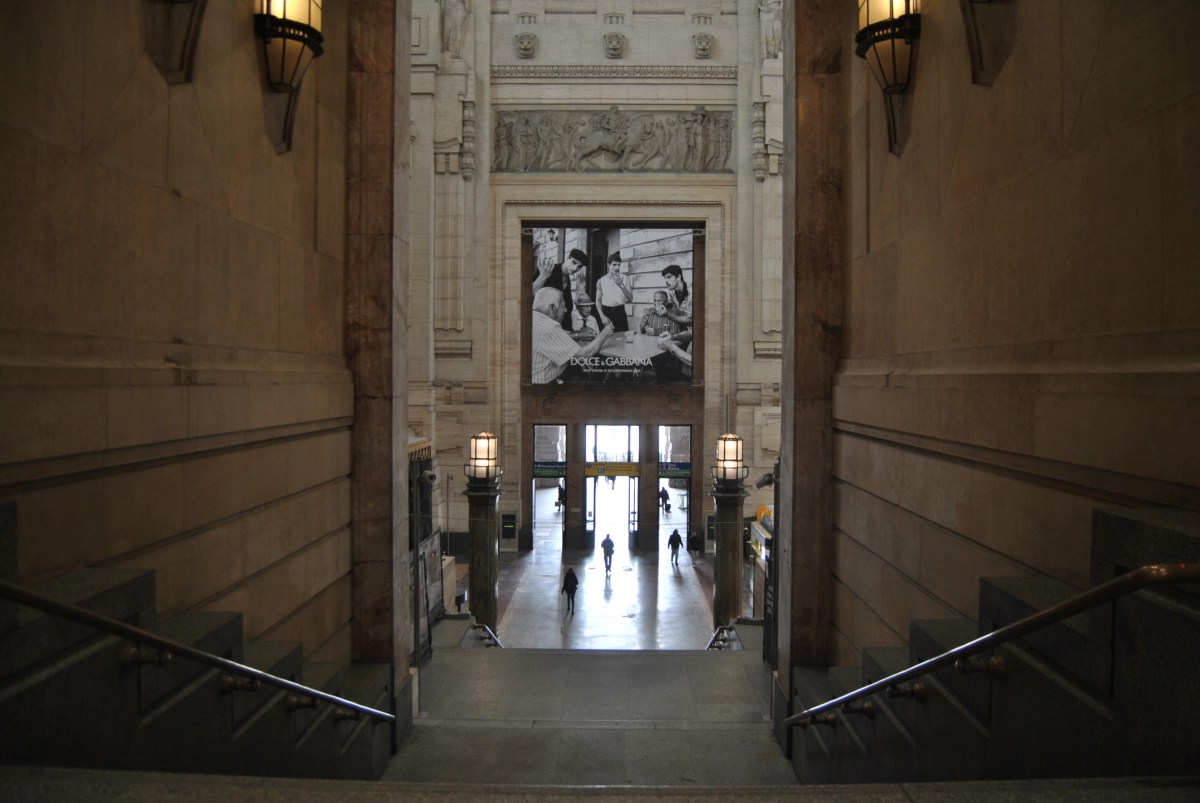
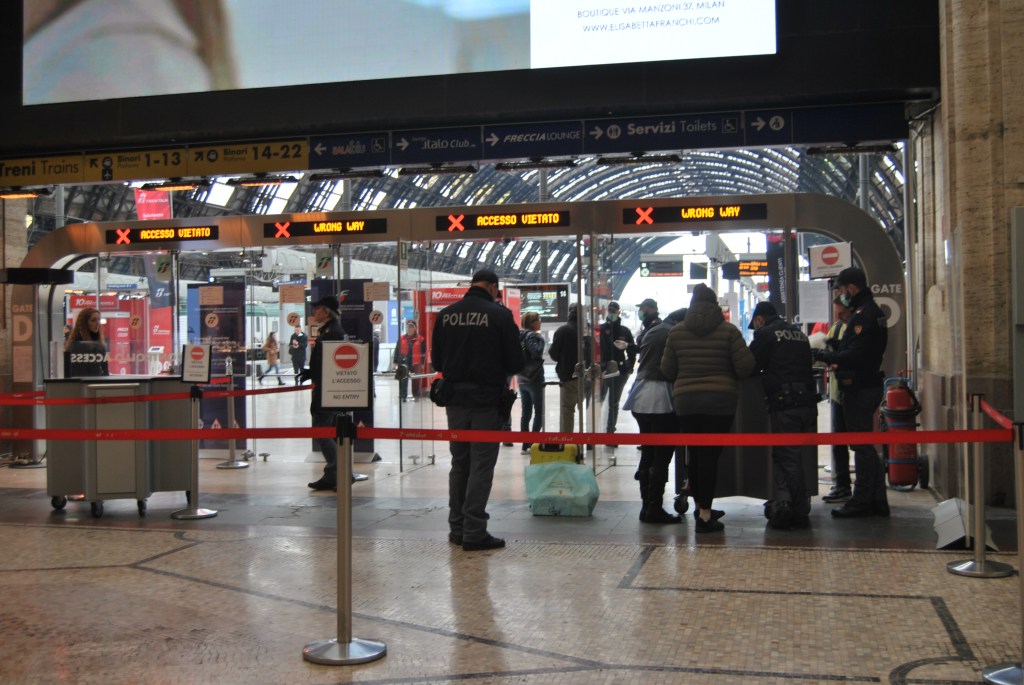
Photos taken in Milan, right after the lockdown decree.