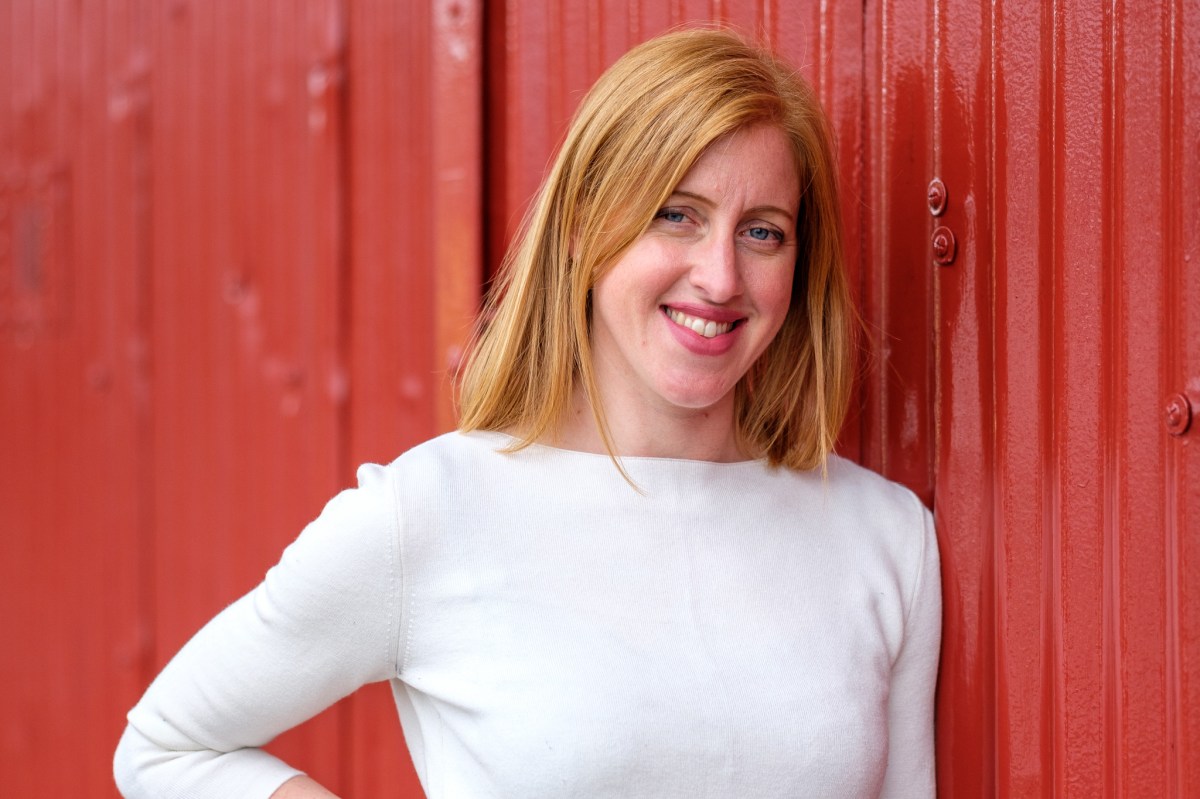
Lisa Sweeting quit her full-time job in March and went freelance during the lockdown. She has now set up her own company, Green Sense Events, focusing on sustainability. I asked her what’s she’s learned so far, and her top tips for going freelance.
TS: You went freelance during the lockdown. What was the catalyst for setting up your own company?
LS: I’ve worked in Events for 15 years, managing a mix of corporate celebrations, weddings, private parties, and mass participation sports events. I’ve toyed to go freelance for about 10 of those years! The thought of having ultimate flexibility, financial independence, fitting work around a family etc, but the comfort blanket of a regular income, paid holidays and sick pay always kept me in my job. When it’s not just you anymore, and you have the responsibilities of a mortgage, and mouths to feed, it’s not a simple decision.
However, I often felt like I compromised my creativity by working for someone else. I was bored of following a system, of doing the same thing year in, year out. Everyone who knows me knows that I love variety and learning new things. I’m a real get up and go person, and yet somehow, I felt stuck, and I lost some of who I am, which affected my confidence.
I love working with new people which is why I love events, collaborating and connecting with like-minded individuals and I felt so busy all the time just juggling work and home life that I had no time to network with others. One of the biggest drivers was that I felt like I couldn’t implement any ‘change’ in a big organisation. After looking at jobs with event & marketing companies mostly based in Bristol and Bath, both an hour’s commute away, and getting frustrated with the lack of home-working opportunities, I finally decided enough was enough.
I handed my notice in at the beginning of March, and then lockdown happened. Two months later, having worked my notice period, I had no job, and no prospects, so why did I still feel amazing, like I could finally breathe again! First, I could focus on my children and homeschooling, while my husband worked full time in our home office. I was also ready to connect with a few people I’d lost touch with—albeit virtually! I joined some Facebook groups, thanks to a friend in the know, and started communicating with people, and I loved it. Given that we were spending so little, I felt I could relax a bit and use the time to work out what I wanted to do.
I went freelance despite no prospect of any events on the horizon, and then I set up a sustainable events company: Green Sense Events. Focusing on sustainability was something I’d wanted to implement while employed, and we had done it as an organisation but nowhere near enough. I soon realised that if it was important to me, then I’d need to incorporate it into my business from the beginning, so it was at the heart of my work and not just a nice to have.
What have you’ve learnt so far?
Social media can overwhelm. I joined lots of Facebook groups, networking events, and digital events which were all great, but at one point, I had to step back and work out a plan of action, write a business plan, edit and update my social media profiles, just to focus my mind. It’s easy-to-read everything on social media and sign up to every digital event, newsletter and training session going, which is fun and can be useful, but it can also exhaust. It’s essential to work out what is actually helpful to you to upskill and raise your profile.
I’ve learnt to treat my peers as a community rather than competition. I’ve found that pretty much everyone I’ve spoken to whether they have their own sustainable events company, are a supplier or in a different industry altogether, has been supportive and happy to suggest other contacts and useful top tips. The more you connect with like-minded individuals, the more it leads you to other valuable connections, and it’s a great way to learn.
Any tops tips on freelancing?
I’d love to offer top tips that will allow others to gain work, but the current climate means there just isn’t much work around. Things are coming back, and it’s great to have some actual dates for when events can start happening again. I’m using the time to get myself set up properly on social media and finishing my website for the company. Educating myself on the areas that interest me—which is sustainability, learning from similar event companies, and looking at what Tokyo Olympics are doing, for example, to be more sustainable. Building my network of suppliers and networking with others as much as possible.
Many of the traditional networking events have moved online. So, there are still opportunities to network online instead of ‘in person’, everyone is a potential client even if they aren’t looking to organise an event right now. I hope that people will think about planning events from now on, even if they can’t happen just yet. I also plan to start a blog once my website is up and running. There are lots of interesting articles out there on sustainability, and I’d love to share it with my network. I think it’s also a good way of engaging with people.
I am interested to see how digital events affect the industry so exploring different platforms to see what’s possible in this field. Digital is a fantastic way of lessening our impact on the environment, so it’s an important area to look at and experience. I think even if you’re not hosting a virtual or hybrid event, look out for virtual events that you can attend as a participant, so you can at least talk from experience.
Useful Facebook groups: #Eventprofsforchange, Delegate Wranglers, Get Ahead in Events, UK Live Event Freelancers Forum.
Anything you need help with?
I am keen to hear from anyone who is a sustainable supplier or venue, and I’d also to hear about what people think about sustainability. I worry that we could move backwards slightly with all the use of plastic PPE, and restrictions on the use of re-useable cups. But equally, I feel that businesses might do more online and perhaps not hold events for the sake of it as much as they used to.
lisa@greensenseevents.co.uk


 Nika Talbot